Tag: nutrition

  • Why you should talk about periods with your daughter (learn how to do it for free!)

    Why you should talk about periods with your daughter (learn how to do it for free!)

    Editor’s Note: Talking to your daughter about her cycle is tricky. To help, we’ve partnered with a website that specializes in helping dads with this exact topic! below is their article and an invitation to a webinar that might be useful.

    Fatherhood is about being present and prepared for every stage of your child’s life. One of the most important roles you can play as a father is being a trusted guide when your daughter gets her first period. Many dads feel uncertain about how to approach the subject of menstruation, or even whether they should bring it up at all.

    Below, we’re sharing valuable tips to help you get started, and on April 8th, you can join us live for even more insights—completely free. Don’t miss the chance to learn from expert and connect with other dads who are navigating this important journey.

    Reserve your spot here: https://www.dadsdaughtersandmenstruation.com/webinar

    (more…)

  • Understanding Newborn Care: A Guide for New Dads

    Understanding Newborn Care: A Guide for New Dads

    Understanding Newborn Care: A Guide for New Dads

    Becoming a dad is a life-changing experience, and if you’re a new father, the early days of caring for a newborn can feel both exciting and overwhelming. From figuring out how to change nappies to calming a fussy baby, there’s a lot to learn. But don’t worry, mate—you’ve got this! In Australia, more dads than ever are stepping up as hands-on carers, with research from the Australian Institute of Family Studies showing that fathers now spend an average of six hours a day caring for their children during the early years. With the right information and a bit of patience, you’ll be handling newborn care like a pro in no time.

    Why Understanding Newborn Care Matters for Aussie Dads

    In Australia, parenting roles are changing, and dads are playing a bigger part in their children’s early development. Studies show that dads who are involved in newborn care help foster stronger emotional bonds with their babies, improve the mother’s mental health, and develop a more balanced family dynamic. But when it comes to newborns, many new fathers feel unsure about what to do. This is completely normal—after all, babies don’t come with an instruction manual! Understanding the basics of newborn care can help you feel more confident in your role and ensure that you’re providing the best support for both your baby and your partner.

    1. Master the Nappy Change

    Nappy changes are one of the most frequent—and sometimes messiest—tasks in newborn care. But once you get the hang of it, you’ll be whipping through them like a pro.

    • Prepare your station: Have everything you need on hand before you start—nappies, wipes, a changing mat, and a fresh set of clothes (trust me, you’ll need it).
    • Wipe front to back: For baby girls, always wipe from front to back to avoid infections. For baby boys, beware of unexpected sprays—placing a cloth over the area can save you from a surprise shower.
    • Change frequently: Newborns can go through 8-12 nappies a day, so be prepared for frequent changes. Wet nappies and soiled nappies should be changed promptly to avoid nappy rash.

    Light-Hearted Tip:

    Consider it a race against time: How quickly can you change a nappy without getting “ambushed” by a mid-change surprise? Make it fun and keep the wipes handy!

    2. Feeding: The Basics

    Newborns need to be fed frequently—every 2-3 hours, whether they’re breastfed or formula-fed. Understanding your baby’s feeding cues and routine is key to keeping them happy and healthy.

    • Breastfeeding: If your partner is breastfeeding, your role is still crucial. Offer support, bring her water or snacks, and help with positioning the baby. Be there to burp the baby afterwards and provide moral support during late-night feeds.
    • Bottle feeding: If your baby is bottle-fed, make sure to follow the correct formula measurements and sterilise the bottles. Take turns with your partner to share the feeding load.
    • Recognise hunger cues: Look for signs like lip-smacking, sucking on hands, or rooting (turning their head towards something to suck on). Crying is often a late hunger cue, so try to feed before they get too worked up.

    Light-Hearted Tip:

    During those 3 a.m. feeds, remember: you’re not alone. Dads all over Australia are up at the same time, half-awake, trying to avoid dropping the bottle. It’s like a secret dad club.

    3. Sleeping (Or the Lack Thereof)

    Newborns sleep a lot—about 16-18 hours a day—but in short bursts. As a new dad, adjusting to this erratic sleep schedule can be one of the toughest parts of the newborn phase.

    • Safe sleeping guidelines: Always place your baby on their back to sleep, on a firm, flat surface. Avoid pillows, blankets, or stuffed toys in the cot to reduce the risk of SIDS (Sudden Infant Death Syndrome).
    • Develop a bedtime routine: It’s never too early to start a bedtime routine. A warm bath, a story, or gentle rocking can help signal to your baby that it’s time to sleep.
    • Take shifts: If possible, take turns with your partner so that you both get some rest. This helps avoid burnout and ensures you’re both able to function during the day.

    Light-Hearted Tip:

    You’ll quickly learn that “sleeping like a baby” actually means waking up every two hours. Embrace power naps, and remember that coffee is your new best mate.

    4. Calming a Fussy Baby

    All babies cry—it’s how they communicate. But when your baby won’t stop crying, it can feel overwhelming. The key is to stay calm and try different techniques to soothe them.

    • Check the basics: First, check if they’re hungry, need a nappy change, or are too hot or cold. If none of those are the issue, they might just need some comfort.
    • Swaddling: Wrapping your baby snugly in a blanket can make them feel secure and calm. Just make sure the swaddle isn’t too tight and always leave space around the hips.
    • Rocking and shushing: Gentle rocking or holding your baby close while making a soft “shhh” sound can mimic the soothing environment of the womb.
    • Skin-to-skin contact: Holding your baby against your chest, skin-to-skin, is a great way to calm them down and strengthen your bond.

    Light-Hearted Tip:

    When in doubt, take a walk. Pop the baby in the pram and stroll around the block. It’s a win-win—you get fresh air, and the movement helps calm your baby. Plus, you’ll get bonus points for getting out of the house!

    5. Bonding with Your Baby

    Bonding with your newborn is an essential part of their development and your relationship. The good news is, you don’t need any special skills—just spending time with them, talking, holding, and playing helps build a strong connection.

    • Talk and sing to them: Newborns love the sound of your voice, so don’t be shy about talking, reading, or singing to them. They won’t care if you’re off-key!
    • Tummy time: Once your baby is a few weeks old, introduce short sessions of tummy time. This helps build their neck and shoulder muscles while giving you a chance to interact and cheer them on.
    • Wear your baby: Baby-wearing (using a sling or baby carrier) is a great way to bond while still keeping your hands free for other tasks. Plus, your baby will love being close to you.

    Light-Hearted Tip:

    Sing all the off-tune lullabies you want. Your baby won’t judge, and you’ll get a kick out of pretending to be the next John Farnham in your living room.

  • Becoming a Hands-On Dad: Why It’s Important and How to Get Started

    Becoming a Hands-On Dad: Why It’s Important and How to Get Started

    Becoming a Hands-On Dad: Why It’s Important and How to Get Started

    Gone are the days when dads were just the breadwinners. Today, more Aussie dads are rolling up their sleeves and getting stuck into parenting. Being a hands-on dad isn’t just a nice-to-have; it’s essential for building strong family bonds and giving your kids the best start in life. According to the Australian Bureau of Statistics, fathers who are actively involved in parenting contribute to better emotional and social outcomes for their kids. Not only does it benefit your children, but it also strengthens your relationship with your partner and enhances your own wellbeing. But how do you get started on this journey? Let’s explore some simple steps to help you become the hands-on dad you want to be.

    Why Being a Hands-On Dad Matters in Australia

    In Australia, traditional family roles have evolved, and dads are more engaged than ever before. Studies have shown that kids with involved fathers tend to do better at school, have higher self-esteem, and develop healthier relationships. Being a hands-on dad means being there for the big moments and the small ones, from changing nappies to bedtime stories. It’s about stepping up, making memories, and showing your kids that dad is just as important as mum when it comes to love and support. While parenting roles are evolving, the need for hands-on dads is more significant than ever.

    Start with the Basics (Yes, Nappy Changing Included)

    Let’s be honest—parenting isn’t all about the Instagram-worthy moments. There’s a lot of unglamorous work involved, but that’s where the magic happens. When you show up for the everyday stuff, you’re making a big impact on your child’s life.

    • Nail the nappy change: It might not be glamorous, but mastering the nappy change is a rite of passage for any hands-on dad. There’s no shame in being a nappy ninja. If you’re not sure where to start, YouTube is full of step-by-step guides to help you out.
    • Get involved with feeding time: Whether you’re on bottle duty or helping with solids, mealtime is a fantastic way to bond. If you can make your little one giggle mid-feed, you’re already winning.
    • Learn the art of bath time: Bath time can be a great way to wind down together. Plus, there’s something seriously cute about seeing your little one splash around.

    Make Time for Play

    Playtime isn’t just for fun—it’s crucial for your child’s development. Dads who engage in active play with their kids help boost their creativity, problem-solving skills, and social abilities. And, let’s be real, it’s an excuse to act like a big kid yourself.

    • Build, dig, and explore: Whether it’s Lego towers or sandcastles, get down on their level and enjoy some hands-on fun. Don’t worry about getting messy—that’s half the fun!
    • Head to the playground: Get on the swings, chase them around, and try out the monkey bars. Your kids will love having you there, and it’s a workout in disguise.
    • Introduce them to classic Aussie games: Teach them backyard cricket, play a game of handball, or fly a kite. It’s a chance to pass down some classic Australian pastimes while making memories.

    Embrace the Daily Routine (Even If It’s Mundane)

    Being a hands-on dad means being part of the everyday routine, from school drop-offs to bedtime stories. It’s about being present, even when it’s not exciting, and finding joy in the ordinary moments.

    • Master the morning chaos: School mornings can be hectic, but stepping in to help with breakfasts, packing lunch boxes, and doing drop-offs is a fantastic way to start the day together.
    • Create a bedtime ritual: Bedtime is an excellent opportunity to bond. Reading stories, tucking them in, and sharing a cuddle before lights out can become a cherished part of their routine.
    • Get organised: Help with household tasks like laundry, cooking, and cleaning. These may not seem like bonding activities, but they show your kids that you’re an equal partner in the family.

    Find Balance and Take Care of Yourself

    Being a hands-on dad doesn’t mean you have to do it all. It’s essential to find a balance that works for you and to take care of yourself along the way. Remember, a well-rested dad is a better dad.

    • Make time for your hobbies: Whether it’s fishing, footy, or something else, keep doing the things you love. You can even share them with your kids when they’re old enough.
    • Ask for help: Parenting is a team effort. Don’t be afraid to ask your partner, family, or mates for support. It’s okay to admit when you need a hand.
    • Take care of your health: Set a good example by staying active, eating well, and looking after your mental health. Organisations like MensLine Australia offer resources and support for dads who need a bit of guidance.

    Light-Hearted Tips for Hands-On Dads

    Parenting isn’t always smooth sailing, but a bit of humour goes a long way. Here are some tips to keep you grounded and laughing along the way:

    • Embrace the chaos: Kids are messy, loud, and unpredictable. Just go with it, and remember that it’s all part of the adventure.
    • Perfect your dad jokes: You’re officially a dad now, which means you have a license to tell as many terrible jokes as you like. Your kids may groan, but secretly, they’ll love it.
    • Don’t worry about being perfect: You’re going to make mistakes, and that’s okay. What matters most is that you’re there, trying your best, and showing up every day.

    Resources for Hands-On Dads

    If you’re looking for extra support or guidance, there are plenty of resources available. The Fathering Project is a great place to start, offering tips, workshops, and community groups for dads who want to get more involved. Raising Children is another excellent resource, providing practical advice and information for fathers at every stage of parenting.

    Becoming a hands-on dad is about showing up, embracing the journey, and finding joy in the everyday moments. By getting involved, you’re helping your kids grow into happy, confident people who know that dad’s got their back. So, roll up your sleeves, dive in, and enjoy the ride—being a hands-on dad is one of the best jobs you’ll ever have.

  • Fun Hobbies to Share with Your Kids (and How to Get Started)

    Fun Hobbies to Share with Your Kids (and How to Get Started)

    Fun Hobbies to Share with Your Kids (and How to Get Started)

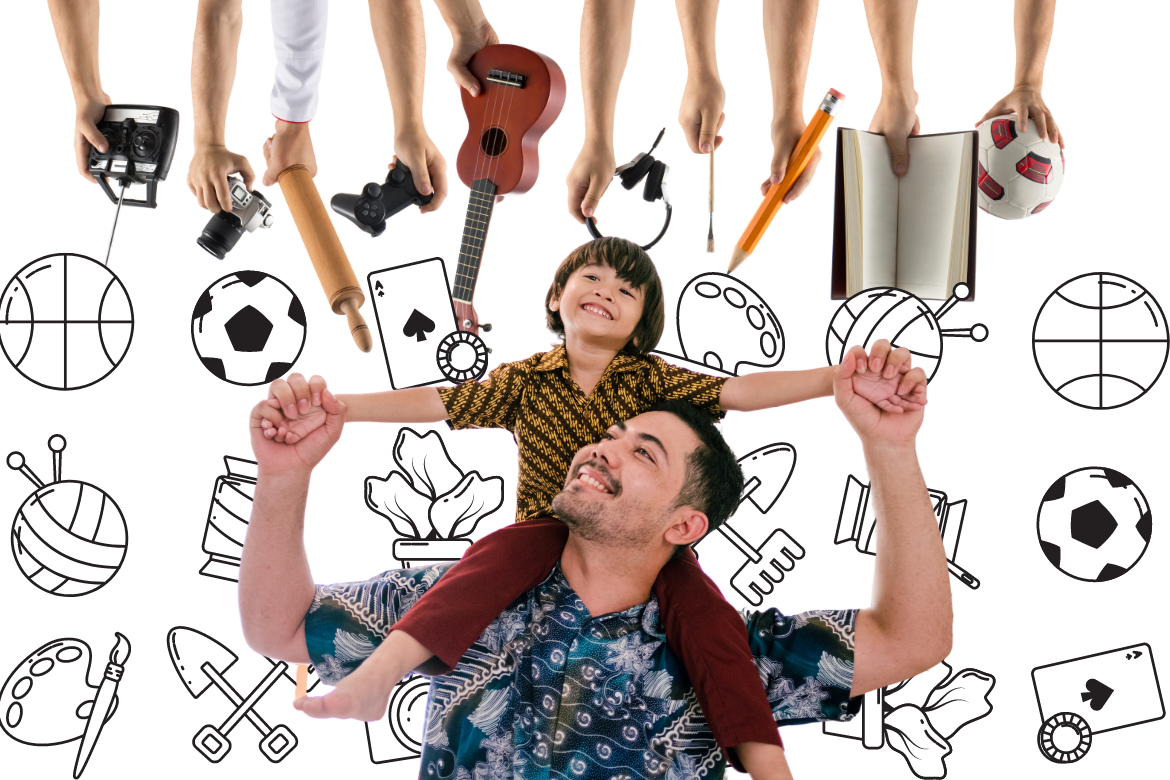
    In today’s fast-paced world, finding quality time to connect with your kids can be a challenge. But hobbies are a fantastic way to slow down and enjoy some one-on-one time. In Australia, dads who regularly engage in hobbies with their kids have stronger bonds and better communication, according to recent studies. A shared hobby provides not only a chance to relax but also a way to pass on skills and values. If you’re not sure where to start or need a little motivation, here’s a list of over 15 hobbies that you and your kids can try together.

    The Benefits of Sharing Hobbies with Your Kids

    Engaging in a shared activity helps foster a deeper connection between you and your child. Hobbies can improve their self-confidence, creativity, and teamwork skills. And let’s face it—getting off the couch and out of your comfort zone can be good for you too! Whether it’s fishing, cooking, or exploring the great outdoors, hobbies allow you to build memories and share a laugh or two.

    Fun Hobby Ideas for Dads and Kids

    Here are some hobby ideas to get you started. Choose one or try them all—the goal is to find something that you and your kids will both enjoy.

    1. Gardening

    Get outside and grow something together. Start with herbs, flowers, or veggies. Kids love watching plants grow, and they might even eat their veggies if they’ve helped grow them!

    2. Fishing

    A classic Aussie pastime. Find a local fishing spot, pack some bait, and enjoy the quiet moments by the water. It’s a great way to teach patience and enjoy a chat with your little one.

    3. Building Models or Lego

    From model planes to Lego cities, building is hands-on and perfect for sparking creativity. Work on a project together, and let your imagination run wild.

    4. Cooking or Baking

    Choose a recipe, roll up your sleeves, and get cooking! Kids love helping in the kitchen, and they’ll be proud of what they make (even if it’s a bit messy).

    5. Bushwalking and Hiking

    Explore Australia’s beautiful landscapes with your kids. Find a kid-friendly trail, pack some snacks, and enjoy the sights and sounds of nature.

    6. Camping

    Whether it’s in the backyard or out in the bush, camping is a great way to bond. Roast marshmallows, tell stories, and sleep under the stars.

    7. Cycling

    Grab your bikes and hit a local cycling track or bike path. It’s a fantastic way to get active, explore new areas, and have a bit of fun.

    8. Photography

    Let your kids take their own photos and explore their creativity. You can even make a photo album of your adventures together.

    9. Birdwatching

    Grab a pair of binoculars and a bird book, and head to a local park. Kids love spotting different birds, and it’s a relaxing way to spend time together.

    10. Drawing or Painting

    Set up a little art station at home and let your kids’ imaginations take flight. It’s all about having fun and expressing yourself, so there’s no need to be Picasso.

    11. Skateboarding or Scootering

    Hit up a local skate park and give it a go. Whether you’re a pro or a beginner, kids love seeing their dad try something new.

    12. Flying Kites

    Choose a windy day, head to the beach or a park, and let your kites fly. It’s simple, cheap, and guaranteed to bring smiles.

    13. Puzzle Building

    Get a big jigsaw puzzle and work on it together over time. It’s a great rainy-day activity and teaches problem-solving skills.

    14. Geocaching

    This modern-day treasure hunt uses GPS to find hidden “caches” around your area. It’s adventurous, exciting, and gets everyone moving.

    15. Rock Collecting and Painting

    Kids love collecting rocks, and painting them is an extra bonus. Take a walk, collect a few interesting rocks, and bring them home for an arts and crafts session.

    16. Playing an Instrument

    If you play an instrument, teach your child some basics, or learn one together. Music can be a fantastic way to bond and explore creativity.

    17. Woodworking

    Start with simple projects like birdhouses or picture frames. It’s hands-on, teaches useful skills, and gives you a chance to work on something together.

    18. Board Games

    Classic board games are a fun and simple way to enjoy time together. Choose age-appropriate games and let the friendly competition begin.

    19. Origami

    Learn the art of paper folding and create fun shapes and animals together. All you need is some paper and a bit of patience.

    20. Volunteering

    Teach your kids about giving back by volunteering together. It could be helping at a local community garden, beach clean-up, or even assisting at a local animal shelter.

    Light-Hearted Advice to Get Started

    It can be easy to feel a bit daunted by starting a new hobby, but remember, this is about having fun! Start small, and don’t worry about doing things perfectly. If your kite doesn’t fly or your cupcakes end up a bit burnt, who cares? The point is to spend time together, enjoy the moment, and maybe even have a bit of a laugh at yourselves.

    • Don’t overthink it: Kids are pretty good at rolling with the punches, so don’t stress if things don’t go to plan.
    • Embrace the mess: Most hobbies involve a bit of a mess, so just go with it. Flour on the floor or paint on your hands? It all washes off.
    • Let your kids take the lead: Sometimes they’ll come up with the best ideas, and letting them take charge can make the hobby even more fun.

    Hobby Checklist for Aussie Dads and Kids

    1. Pick a hobby: Choose one that sounds fun and give it a go.
    2. Schedule a time: Make it a regular thing, so it becomes part of your routine.
    3. Go with the flow: It doesn’t have to be perfect. Embrace the chaos and enjoy the ride.
    4. Celebrate the little wins: Whether it’s catching a fish or baking a cake that didn’t burn, give yourselves a high five!
    5. Make it about the experience: Remember, it’s the time spent together that matters most.

    No matter which hobby you choose, the time you spend with your kids will create memories that they’ll cherish for years to come. So, take a chance, try something new, and enjoy the adventure together.