Tag: men

  • Saving for Your Child’s Future: What Dads Need to Know About Education Funds

    Saving for Your Child’s Future: What Dads Need to Know About Education Funds

    Saving for Your Child’s Future: What Dads Need to Know About Education Funds

    As dads, we all want to give our kids the best possible start in life, and a big part of that is ensuring they have access to a quality education. But let’s be honest—education doesn’t come cheap. From school fees to extracurricular activities, the costs can add up fast. According to the Australian Scholarships Group (ASG), the cost of educating a child in Australia from preschool through to Year 12 can exceed $68,000 for public schooling and more than $475,000 for private education. So, how do you set your kids up for success without emptying your wallet? With a little planning and some smart saving strategies, you can make sure your child’s future is secure.

    Why Saving for Your Child’s Education Matters in Australia

    In Australia, the cost of education is steadily rising. Whether you’re aiming for public, private, or even homeschooling, saving early can help ease the financial burden later. A study by the Financial Planning Association of Australia revealed that 73% of parents worry about the cost of their children’s education, and 58% wish they’d started saving earlier. As a dad, it’s important to consider how you’ll contribute to your child’s education, so you’re not scrambling to find funds when the school fees start rolling in.

    Education doesn’t just cover tuition fees—it includes things like uniforms, textbooks, school excursions, and even laptops or tablets for learning. By starting a savings plan now, you can be prepared for these future expenses and give your child access to the best learning opportunities.

    Step 1: Start Early – It’s Never Too Soon

    The best time to start saving for your child’s education is as early as possible. The earlier you start, the more time your money has to grow, thanks to compound interest. Think of it like planting a tree—the sooner you plant it, the more it will grow over time.

    • Open a dedicated savings account: One of the simplest ways to get started is by opening a high-interest savings account specifically for education expenses. Banks like ANZ, Commonwealth Bank, and ING offer savings accounts with competitive interest rates.
    • Consider investment options: If you’re planning for the long-term, investing in shares or a managed fund could be a smart move. Just remember that these options come with risks, so it’s worth talking to a financial advisor about what’s right for you.
    • Start small and build up: You don’t have to deposit large sums of money right away. Even small, regular contributions can add up over time. For example, setting aside $20 a week from the time your child is born could grow to over $18,000 by the time they turn 18 (assuming a modest interest rate).

    Step 2: Explore Education-Specific Savings Plans

    If you’re looking for a more targeted approach, education-specific savings plans can be a great option. These plans are designed to help parents save specifically for their children’s education, often with tax benefits or incentives.

    • Education Savings Plans (ESP): These plans allow you to save money for your child’s future schooling while earning interest. The funds can only be used for educational purposes, which makes them a dedicated savings vehicle. Organisations like ASG offer ESPs tailored to Australian families.
    • Tax benefits: Some education savings plans come with tax advantages, allowing your savings to grow tax-free or at a reduced tax rate. This can make a big difference over the long term.
    • Flexibility: Many of these plans allow you to make regular contributions, so you can adapt to your financial situation as it changes.

    Step 3: Don’t Forget Government Assistance

    In Australia, there are several government programs and grants designed to help with education costs. It’s worth exploring these options to see if you’re eligible.

    • Child Care Subsidy (CCS): If your child is in daycare or preschool, you may be eligible for the CCS, which helps cover a portion of childcare fees.
    • Austudy and Youth Allowance: When your child gets older, they may be eligible for government payments like Austudy or Youth Allowance, which help cover the costs of higher education.

    While these programs won’t cover everything, they can certainly take some of the pressure off and make education more affordable.

    Step 4: Budget for the Extras

    Education costs aren’t just about tuition. There are plenty of extra expenses that come with raising a child, from school uniforms and textbooks to school camps and extracurricular activities. These costs can creep up on you if you’re not prepared.

    • Uniforms and textbooks: These are often mandatory and can be surprisingly expensive. Keep an eye out for second-hand uniform shops and textbook exchanges, which can help reduce costs.
    • Extracurricular activities: Sports, music lessons, and school camps can add up, so make sure you budget for these as well. Encourage your child to choose activities they’re passionate about to make sure you’re getting the most out of these investments.

    Light-Hearted Tip:

    When budgeting for extracurriculars, remember you don’t need to raise the next Tim Cahill or Cathy Freeman. Let your child try a few things without overcommitting to every activity under the sun.

    Step 5: Keep an Eye on Progress

    Once you’ve got a savings plan in place, it’s important to check in regularly to see how you’re tracking. Adjust your contributions if you’re able, and stay on top of any changes in education costs.

    • Review your savings annually: Check your account balances and see if you need to make any changes to your savings strategy. You might find that you can increase your contributions as your income grows or adjust your investment portfolio as your child gets older.
    • Stay flexible: Life happens, and you may need to adjust your savings plan if unexpected expenses come up. The important thing is to stay consistent and keep saving, even if you need to make small changes along the way.

    Final Thoughts: Don’t Stress, You’re Doing Great

    Saving for your child’s education is a long-term game, and there’s no need to stress if you’re not able to save a huge amount right away. Every little bit helps, and as long as you’re making regular contributions and staying consistent, you’re giving your child a solid foundation for the future.

    Remember, being a dad isn’t just about providing financially—it’s about supporting your child in all aspects of life. By planning ahead and being proactive, you’re setting them up for success, both academically and beyond.

    Light-Hearted Advice for Dads:

    Don’t panic if you didn’t start saving the moment your little one was born. We’re not all financial gurus, but we’re all capable of setting aside a few bucks here and there. Besides, who knows—your kid might grow up to invent the next big thing and fund their own education!


  • Helping Your Child Through Tough Times: Coping with Loss, Divorce, and Other Challenges

    Helping Your Child Through Tough Times: Coping with Loss, Divorce, and Other Challenges

    Helping Your Child Through Tough Times: Coping with Loss, Divorce, and Other Challenges

    As much as we’d love to shield our kids from tough times, life doesn’t always go to plan. Whether it’s dealing with the loss of a loved one, a family divorce, or other challenges, these moments can have a significant impact on our children. In Australia, one in five children will experience the death of a loved one by the age of 18, according to the Australian Child and Adolescent Trauma, Loss, and Grief Network. Additionally, the Australian Bureau of Statistics reports that nearly 50,000 divorces occur each year, many of which involve children. As fathers, our role is crucial in helping our kids navigate these difficult experiences, providing support, understanding, and guidance.

    The Importance of Supporting Your Child Through Tough Times

    When tough times hit, children often rely on their parents for emotional stability. How we respond as fathers can shape how they cope, recover, and learn resilience. Research shows that children with strong parental support are better able to manage grief, stress, and changes in their lives. Kids look to us not only for comfort but also as role models in handling difficult emotions. Whether it’s a significant loss, the breakdown of a marriage, or another challenge, we can be the calm in their storm, helping them feel safe and understood.

    Coping with Loss: Grief and Bereavement

    Loss is one of the hardest things for a child to understand. Whether it’s the death of a grandparent, a pet, or a friend, children often struggle to express their grief in ways we might expect. They may seem fine one moment and devastated the next, and that’s perfectly normal. As a dad, your role is to provide comfort and let them know their feelings are valid.

    • Keep communication open: Explain what’s happened in age-appropriate language. Avoid euphemisms like “they’ve gone to sleep,” which can confuse younger kids. Be direct but gentle, and encourage them to ask questions.
    • Allow them to grieve in their own way: Grief looks different for everyone. Some children may cry, others might act out, and some may not seem upset at all. Let them grieve in their own time and reassure them that whatever they’re feeling is okay.
    • Be patient and present: Your child will need your presence more than ever during this time. They may not always want to talk, but knowing that you’re there for a hug, a chat, or just to sit with them will mean the world.

    Light-Hearted Tip:

    If your child finds it hard to talk, sometimes a quiet walk or sitting together can be the key. There’s something about kicking a footy in the backyard that can open the floodgates for conversation without the pressure of sitting down for a “big talk.”

    Coping with Divorce: Supporting Your Child Through Separation

    Divorce can be a confusing and unsettling time for children. They often feel caught in the middle, and it’s common for them to worry about how the change will impact their lives. As dads, it’s our job to make sure our kids feel secure and loved, no matter what.

    • Reassure them they are not to blame: Children often blame themselves for their parents’ separation. Make it clear that the divorce is not their fault, and remind them regularly that both you and their mum love them deeply.
    • Maintain consistency: Stability is key during this time. Keep routines as consistent as possible, whether it’s mealtimes, bedtimes, or school pick-ups. The predictability of these daily routines can provide comfort amidst the uncertainty.
    • Work with your ex-partner: Even if things are tense, try to co-parent as amicably as possible. Kids need to see that their parents can still work together for their well-being. If you need help navigating co-parenting, organisations like Relationships Australia offer support and mediation services.

    Light-Hearted Tip:

    Consider keeping a ‘Dad Day’ tradition—whether it’s Pancake Saturdays or Friday movie nights—where you and the kids enjoy some uninterrupted fun together. It reminds them that, even though things are changing, some things stay the same.

    Dealing with Other Challenges: School Stress, Friendships, and Growing Pains

    Life isn’t always about major losses or divorces—sometimes the tough times come in the form of school struggles, friendship issues, or the everyday growing pains that come with being a kid. As dads, we can offer support in these smaller (but still significant) moments too.

    • Be an active listener: Sometimes, your child just needs to vent. Resist the urge to jump in with solutions right away. Let them know you’re there to listen and that their feelings matter.
    • Encourage problem-solving: Once they’ve talked through their feelings, help them think through solutions. Ask questions like, “What do you think might help?” or “How can I support you in this?” It empowers them to take charge of the situation.
    • Celebrate resilience: When they overcome a challenge—no matter how small—celebrate their resilience. It builds their confidence and helps them feel capable of tackling future difficulties.

    Light-Hearted Tip:

    If school is becoming overwhelming, remind them that even the greatest Aussies, like Steve Irwin or Cathy Freeman, faced challenges in their lives—and look where they ended up! Sometimes a little humour and perspective can lighten the mood.

    Supporting Your Child Through Tough Times: Practical Tips

    • Be there, even when you don’t know what to say: Sometimes the best support is simply being present. Sit with them, watch their favourite show together, or go for a drive. Your presence speaks volumes.
    • Seek professional help if needed: If your child is struggling to cope, it’s okay to seek help. Counsellors and child psychologists can offer support for both you and your child. Organisations like Beyond Blue and Kids Helpline provide excellent resources for families going through tough times.
    • Take care of yourself too: Don’t forget your own mental health. Supporting your child can be emotionally draining, so make sure you’re looking after yourself as well. Take time to unwind, talk to mates, or seek professional support if you need it.

    Light-Hearted Final Thought

    Tough times will come, but as dads, we have the opportunity to guide our kids through them with love, patience, and a few well-timed dad jokes. Whether it’s tackling grief, navigating divorce, or helping with school stress, being there—really being there—is the best thing you can do for your child.

  • Travelling with Kids: Tips for Stress-Free Family Vacations

    Travelling with Kids: Tips for Stress-Free Family Vacations

    Travelling with Kids: Tips for Stress-Free Family Vacations

    Ah, family holidays—the perfect time to unwind, explore new places, and make memories with the kids. But let’s be honest: travelling with kids can feel like a test of patience and planning. Between keeping them entertained on long drives and handling mid-flight meltdowns, it’s no wonder some dads feel stressed at the thought of a family getaway. However, family holidays are worth the effort. According to research by Tourism Australia, families who take regular holidays together report stronger bonds, happier kids, and less stress overall. So how do you make the most of your family vacation without losing your cool? With a little preparation and a good sense of humour, you can have a stress-free and enjoyable trip.

    Why Family Holidays Matter for Aussie Dads

    For many Aussie dads, family holidays provide a much-needed break from the daily grind. They offer the chance to reconnect with your partner and kids away from work, school, and the usual routines. Studies show that family holidays can boost mental wellbeing and contribute to family cohesion. According to Beyond Blue, taking time away with loved ones helps reduce stress and provides new experiences that strengthen family bonds. In other words, getting out of town isn’t just good for the kids—it’s good for you too!

    Packing Tips: What to Bring (and What to Leave Behind)

    Packing for a family trip is a fine art. It’s easy to get carried away, but overpacking can lead to chaos, especially when you’re trying to find room for everyone’s stuff.

    • Stick to the essentials: Pack light and bring only what you need. Remember, you can pick up extras at your destination if you really need them.
    • Don’t forget the snacks: Snacks are your secret weapon. Pack plenty of them for the road or flight, and try to include a mix of healthy options and a few treats.
    • Prepare an entertainment kit: For long journeys, bring activities to keep the kids entertained. Think colouring books, small toys, or tablets loaded with shows and games. It’s amazing how a well-timed episode of Bluey can buy you some peace and quiet.
    • Bring a ‘just in case’ kit: Kids are unpredictable, so a small kit with extra clothes, wipes, and basic first aid supplies can save the day.

    Travel Tips: Keeping Things Smooth on the Road or in the Air

    Travelling with kids requires a bit of strategy, especially if you’re going to be on the road or in the air for long periods. Here are some tips to keep things as stress-free as possible:

    1. Plan Breaks

    If you’re driving, plan regular stops to let the kids stretch their legs and burn off energy. Australia is full of great rest areas and scenic spots, so take advantage of them.

    • Stop at local parks: Many towns have fantastic parks with playgrounds. Let the kids play for a bit—it’s a good way to break up the drive.
    • Explore quirky stops: Check for fun roadside attractions along your route. Whether it’s the Big Banana in Coffs Harbour or the Dog on the Tuckerbox in Gundagai, these stops add a bit of fun to the trip.

    2. Time Flights Wisely

    If you’re flying, consider booking flights during your kids’ nap times. With any luck, they’ll sleep through most of the journey. If that’s not possible, be prepared with snacks and entertainment.

    • Get to the airport early: Rushing around stresses everyone out, so give yourself plenty of time to get through security and settle in.
    • Let the kids burn off energy: Many Aussie airports have play areas where the kids can run around before the flight. It helps them get the wiggles out and prepares them for sitting still.

    Staying Sane on Arrival: Finding Family-Friendly Accommodation

    When booking accommodation, look for places that are genuinely kid-friendly. A little research goes a long way in finding spots that cater to families.

    • Opt for self-contained units: Apartments or cabins with kitchens give you the flexibility to prepare meals and snacks on your own schedule. Plus, you won’t have to rely on pricey room service.
    • Check for kid-friendly amenities: Look for places with pools, playgrounds, or kids’ clubs. It gives the little ones something to do, and you might get a chance to relax too.
    • Consider location: Staying close to attractions, restaurants, or a beach can make a huge difference. Less travel time means more time to enjoy your holiday.

    Enjoying the Destination: Making the Most of Your Time Together

    Once you’ve arrived, it’s time to focus on making memories. The key to a successful family holiday is balance—plan some activities, but leave room for spontaneity too.

    • Mix it up with activities for all ages: If you’re hitting up theme parks, be sure to balance it out with things the whole family will enjoy, like nature walks, beach days, or local festivals.
    • Let the kids be the tour guides: Ask your kids what they’d like to do each day. It gives them a sense of control and ensures that everyone has a good time.
    • Be flexible: Sometimes the best experiences are the unplanned ones. If your itinerary goes out the window, embrace it. Family holidays are about spending time together, not ticking off every item on the list.

    Light-Hearted Tips for Dads on the Go

    Keeping a sense of humour is essential when travelling with kids. Here are a few tips to keep things light:

    • Embrace the chaos: Kids are unpredictable, so be ready for anything. Missed connections, lost luggage, or toddler tantrums are all part of the adventure.
    • Don’t stress about screen time: Holidays are special occasions, so if a bit of extra screen time keeps the peace, go for it. You’re on holiday too, mate!
    • Celebrate the little wins: Got everyone out the door on time? Found the only cafe with decent coffee? Managed to squeeze in a moment of relaxation? Celebrate the small victories—they all count.

    Resources for Family Travel

    If you’re planning a trip and need more tips, check out resources like Tourism Australia for family-friendly destination guides, or Travelling with Kids, which offers travel tips specifically for Aussie families. You’ll find heaps of information to make your trip smoother and more enjoyable.

    Family holidays can be an adventure in more ways than one, but with a little preparation and a sense of humour, you’ll create memories that last a lifetime. So grab the kids, pack the snacks, and hit the road—Australia has endless places to explore, and there’s no better way to enjoy them than with your family by your side.

  • Getting Fit as a New Dad: Simple Exercises to Do at Home

    Getting Fit as a New Dad: Simple Exercises to Do at Home

    Getting Fit as a New Dad: Simple Exercises to Do at Home

    Becoming a dad is a life-changing experience, but it often comes with new challenges—including finding the time to stay fit. Between late-night feeds and nappy changes, carving out time for the gym might seem impossible. However, keeping physically fit is essential for your overall wellbeing, and it helps you keep up with the demands of fatherhood. According to the Australian Institute of Health and Welfare, regular physical activity can reduce the risk of chronic diseases, boost mental health, and improve energy levels. As a new dad, staying fit means you’re better equipped to care for your family, manage stress, and enjoy time with your kids.

    Why Fitness Matters for Aussie Dads

    It’s easy to let fitness slide when you’re juggling the responsibilities of fatherhood, but staying active is vital. In Australia, around 45% of men are not getting enough physical activity, which can lead to increased risks of health issues. Keeping fit not only benefits your health but also sets a positive example for your kids. They’ll see you prioritising physical activity, which encourages them to develop healthy habits as they grow. And the best part? You don’t need a fancy gym membership or loads of time to stay active. With a few simple exercises, you can fit fitness into your busy schedule—right from your living room.

    Getting Started: Fitness for Busy Dads

    You might not have an hour to spare, but even short bursts of exercise can make a difference. Here are a few tips for getting started:

    • Set realistic goals: Start small and build from there. Aim for 15-20 minutes a day, and remember, consistency is key.
    • Use your surroundings: You don’t need expensive equipment. Use your body weight, furniture, and household items to create an effective workout.
    • Involve your baby: If you can’t fit in exercise alone, why not include your baby? A baby carrier or pram can add a fun twist to your workout and give you quality time together.

    Simple Exercises for New Dads

    Here are some easy exercises that require no special equipment and can be done at home. They’re designed to improve strength, flexibility, and overall fitness, making them perfect for new dads.

    1. Squats

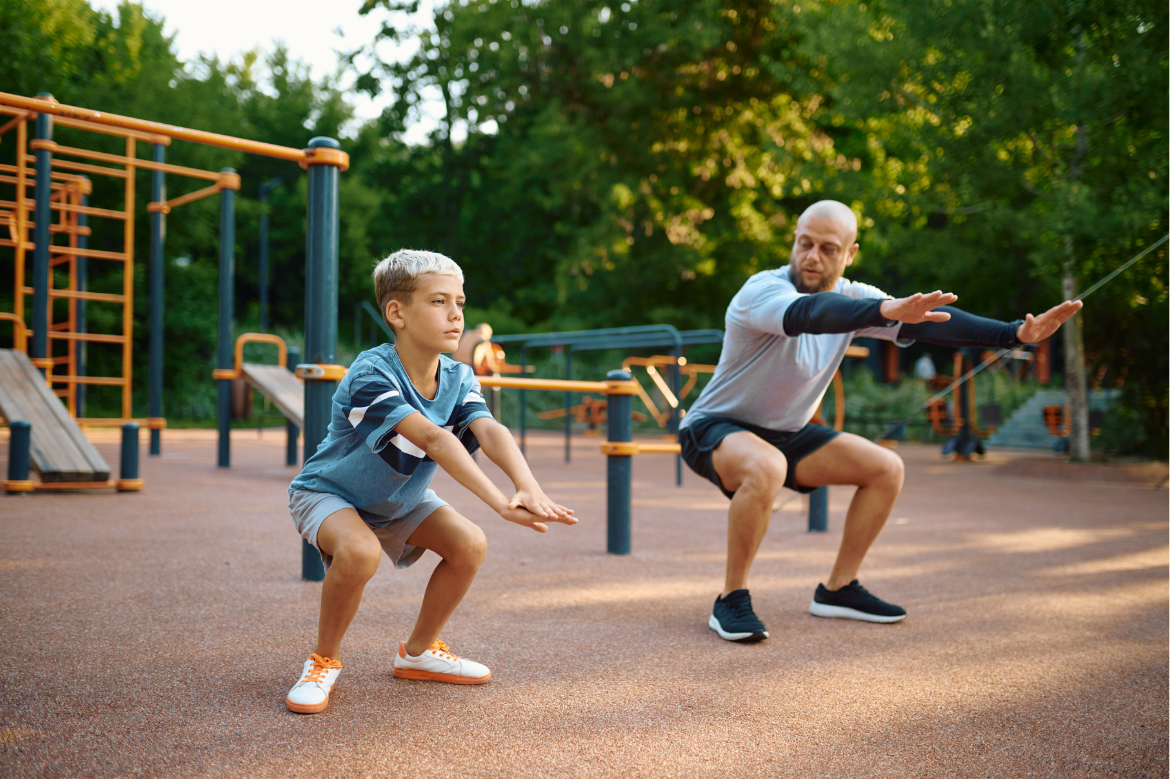
    Squats are great for strengthening your legs, glutes, and core. Plus, they’re functional—meaning they help you with daily tasks, like picking up toys or lifting your little one.

    1. Stand with your feet shoulder-width apart.
    2. Lower down as if you’re sitting in a chair, keeping your knees behind your toes.
    3. Push through your heels to return to standing.
    4. Repeat for 10-15 reps.

    Pro tip: If you’re holding your baby, keep them close to your chest for added resistance.

    2. Push-Ups

    Push-ups target your chest, shoulders, and arms. They’re a classic exercise that you can modify based on your fitness level.

    1. Start in a plank position, with your hands directly under your shoulders.
    2. Lower your body until your chest nearly touches the floor.
    3. Push back up to the starting position.
    4. Aim for 8-12 reps.

    Modification: If regular push-ups are too challenging, drop to your knees to make them easier.

    3. Lunges

    Lunges are excellent for building lower body strength and improving balance. You can do them anywhere, even while holding your baby.

    1. Stand with your feet hip-width apart.
    2. Step forward with one leg, lowering your body until your front knee is at a 90-degree angle.
    3. Push through your front heel to return to the starting position.
    4. Repeat on the other leg and aim for 10 reps per side.

    4. Plank

    The plank is a powerful core exercise that targets your abs, back, and shoulders. It helps improve stability, which is handy for all those tasks that require you to bend, lift, and carry.

    1. Start in a forearm plank position, with your elbows directly under your shoulders.
    2. Keep your body in a straight line from head to heels.
    3. Hold for 20-30 seconds, gradually increasing as you get stronger.

    5. Glute Bridges

    Glute bridges are perfect for strengthening your glutes and lower back, areas that are often neglected but essential for everyday movements.

    1. Lie on your back with your knees bent and feet flat on the floor, hip-width apart.
    2. Lift your hips towards the ceiling, squeezing your glutes at the top.
    3. Lower back down and repeat for 12-15 reps.

    Bonus: This exercise can be done with your baby on your stomach for added resistance!

    Involve Your Baby (And Have Fun)

    If finding time alone is tricky, get your baby involved. Use their weight for resistance in exercises like squats, lunges, and even shoulder presses. Not only will this make your workout more challenging, but it’s also a fun way to bond with your baby. You can even do tummy time together—pop into a plank while your little one works on their strength and coordination.

    Light-Hearted Tips for Staying Motivated

    Sticking to a fitness routine isn’t always easy, especially when you’re a new dad. Here are some light-hearted tips to keep you motivated:

    • Set up a reward system: Treat yourself to a coffee or a favourite snack after a week of workouts. It’s the little things that keep you going.
    • Use dad jokes as motivation: Think of it as training for the future dad joke battles you’ll have. Your kids will thank you for the cringe-worthy puns.
    • Don’t sweat the small stuff: If you miss a workout, don’t stress. Every little bit counts, and you’re still doing great.

    Resources for More Fitness Support

    If you’re looking for extra guidance, consider checking out online resources like the Australian Men’s Health Forum, which offers tips and advice on staying active. The Heart Foundation also has great information on incorporating physical activity into daily life, making it easier to prioritise your health.

    Getting fit as a new dad doesn’t have to be complicated or time-consuming. With these simple exercises, you can build strength, boost your energy, and stay active without leaving the house. Remember, staying fit isn’t just about looking good; it’s about feeling good and being ready to tackle all that fatherhood throws your way. So grab a mat, a water bottle, and maybe even your little one, and get started today.

  • Becoming a Hands-On Dad: Why It’s Important and How to Get Started

    Becoming a Hands-On Dad: Why It’s Important and How to Get Started

    Becoming a Hands-On Dad: Why It’s Important and How to Get Started

    Gone are the days when dads were just the breadwinners. Today, more Aussie dads are rolling up their sleeves and getting stuck into parenting. Being a hands-on dad isn’t just a nice-to-have; it’s essential for building strong family bonds and giving your kids the best start in life. According to the Australian Bureau of Statistics, fathers who are actively involved in parenting contribute to better emotional and social outcomes for their kids. Not only does it benefit your children, but it also strengthens your relationship with your partner and enhances your own wellbeing. But how do you get started on this journey? Let’s explore some simple steps to help you become the hands-on dad you want to be.

    Why Being a Hands-On Dad Matters in Australia

    In Australia, traditional family roles have evolved, and dads are more engaged than ever before. Studies have shown that kids with involved fathers tend to do better at school, have higher self-esteem, and develop healthier relationships. Being a hands-on dad means being there for the big moments and the small ones, from changing nappies to bedtime stories. It’s about stepping up, making memories, and showing your kids that dad is just as important as mum when it comes to love and support. While parenting roles are evolving, the need for hands-on dads is more significant than ever.

    Start with the Basics (Yes, Nappy Changing Included)

    Let’s be honest—parenting isn’t all about the Instagram-worthy moments. There’s a lot of unglamorous work involved, but that’s where the magic happens. When you show up for the everyday stuff, you’re making a big impact on your child’s life.

    • Nail the nappy change: It might not be glamorous, but mastering the nappy change is a rite of passage for any hands-on dad. There’s no shame in being a nappy ninja. If you’re not sure where to start, YouTube is full of step-by-step guides to help you out.
    • Get involved with feeding time: Whether you’re on bottle duty or helping with solids, mealtime is a fantastic way to bond. If you can make your little one giggle mid-feed, you’re already winning.
    • Learn the art of bath time: Bath time can be a great way to wind down together. Plus, there’s something seriously cute about seeing your little one splash around.

    Make Time for Play

    Playtime isn’t just for fun—it’s crucial for your child’s development. Dads who engage in active play with their kids help boost their creativity, problem-solving skills, and social abilities. And, let’s be real, it’s an excuse to act like a big kid yourself.

    • Build, dig, and explore: Whether it’s Lego towers or sandcastles, get down on their level and enjoy some hands-on fun. Don’t worry about getting messy—that’s half the fun!
    • Head to the playground: Get on the swings, chase them around, and try out the monkey bars. Your kids will love having you there, and it’s a workout in disguise.
    • Introduce them to classic Aussie games: Teach them backyard cricket, play a game of handball, or fly a kite. It’s a chance to pass down some classic Australian pastimes while making memories.

    Embrace the Daily Routine (Even If It’s Mundane)

    Being a hands-on dad means being part of the everyday routine, from school drop-offs to bedtime stories. It’s about being present, even when it’s not exciting, and finding joy in the ordinary moments.

    • Master the morning chaos: School mornings can be hectic, but stepping in to help with breakfasts, packing lunch boxes, and doing drop-offs is a fantastic way to start the day together.
    • Create a bedtime ritual: Bedtime is an excellent opportunity to bond. Reading stories, tucking them in, and sharing a cuddle before lights out can become a cherished part of their routine.
    • Get organised: Help with household tasks like laundry, cooking, and cleaning. These may not seem like bonding activities, but they show your kids that you’re an equal partner in the family.

    Find Balance and Take Care of Yourself

    Being a hands-on dad doesn’t mean you have to do it all. It’s essential to find a balance that works for you and to take care of yourself along the way. Remember, a well-rested dad is a better dad.

    • Make time for your hobbies: Whether it’s fishing, footy, or something else, keep doing the things you love. You can even share them with your kids when they’re old enough.
    • Ask for help: Parenting is a team effort. Don’t be afraid to ask your partner, family, or mates for support. It’s okay to admit when you need a hand.
    • Take care of your health: Set a good example by staying active, eating well, and looking after your mental health. Organisations like MensLine Australia offer resources and support for dads who need a bit of guidance.

    Light-Hearted Tips for Hands-On Dads

    Parenting isn’t always smooth sailing, but a bit of humour goes a long way. Here are some tips to keep you grounded and laughing along the way:

    • Embrace the chaos: Kids are messy, loud, and unpredictable. Just go with it, and remember that it’s all part of the adventure.
    • Perfect your dad jokes: You’re officially a dad now, which means you have a license to tell as many terrible jokes as you like. Your kids may groan, but secretly, they’ll love it.
    • Don’t worry about being perfect: You’re going to make mistakes, and that’s okay. What matters most is that you’re there, trying your best, and showing up every day.

    Resources for Hands-On Dads

    If you’re looking for extra support or guidance, there are plenty of resources available. The Fathering Project is a great place to start, offering tips, workshops, and community groups for dads who want to get more involved. Raising Children is another excellent resource, providing practical advice and information for fathers at every stage of parenting.

    Becoming a hands-on dad is about showing up, embracing the journey, and finding joy in the everyday moments. By getting involved, you’re helping your kids grow into happy, confident people who know that dad’s got their back. So, roll up your sleeves, dive in, and enjoy the ride—being a hands-on dad is one of the best jobs you’ll ever have.

  • How to Support Your Partner During Pregnancy and Beyond

    How to Support Your Partner During Pregnancy and Beyond

    How to Support Your Partner During Pregnancy and Beyond

    Pregnancy is a rollercoaster of emotions, and not just for the mum-to-be. As dads, we play a vital role in supporting our partners during this transformative time, and that support doesn’t stop when the baby arrives. Research shows that when dads are actively involved and supportive during pregnancy and early parenting, both mum and baby benefit. According to the Australian Institute of Family Studies, fathers who engage in pregnancy and parenting have lower stress levels and better relationships with their partners. So, how can you step up as a dad-to-be and help your partner feel supported? Let’s dive into some practical tips and a bit of Aussie humour to guide you along the way.

    Understanding the Importance of Support During Pregnancy

    For expectant mums, pregnancy can be a mix of excitement, anxiety, and discomfort. The physical and emotional changes they experience are significant, and they’ll need your support to navigate it all. In Australia, there’s a growing emphasis on the importance of dads during this time. Studies show that women with supportive partners tend to have lower rates of postnatal depression and a smoother transition into parenthood. While pregnancy may focus on mum and bub, your role is essential in creating a positive and supportive environment.

    Be Present (Even When It’s Tough)

    Let’s face it—pregnancy isn’t always glamorous. There’ll be moments when your partner needs you to listen, rub her feet, or make a midnight run for a craving that’s suddenly hit. Your presence and willingness to help make all the difference.

    • Go to appointments: Try to attend as many doctor’s appointments and ultrasounds as possible. It shows you’re invested and gives you a chance to bond with the baby.
    • Listen (and really listen): Sometimes, your partner just needs to vent about how uncomfortable she is or how she can’t believe her favourite foods now make her feel queasy. Just nod, empathise, and avoid offering solutions unless she asks.
    • Be ready for mood swings: Hormones can do wild things. If she’s upset one moment and laughing the next, just roll with it. It’s all part of the ride.

    Embrace the Practical Stuff

    There’s a lot to do to get ready for a baby, and the list can seem endless. Pitching in with the practical side of things not only lightens her load but also helps you feel more involved.

    • Assemble the gear: Whether it’s putting together the cot or learning how to install the car seat, take on some of the preparation tasks. You might not have a PhD in assembling flat-pack furniture, but you’ve got this.
    • Get hands-on with nesting: Nesting isn’t just for mums. Help prepare the nursery, choose baby gear, and organise the house. And if she decides at 9 p.m. that the lounge needs to be rearranged, just go with it.
    • Take a birthing class: Many hospitals and organisations like the Australian Breastfeeding Association offer classes for expectant parents. You’ll learn what to expect during labour and how you can help when the big day arrives.

    Show Up with a Sense of Humour

    Pregnancy can be intense, but it’s also filled with funny moments. Keeping a sense of humour can lighten the mood and remind you both to enjoy the journey.

    • Laugh about the cravings: She might suddenly need pickles with ice cream, and while it sounds bizarre, go ahead and make a joke or two. Sharing a laugh can make the weird and wonderful cravings less stressful.
    • Find the funny side of baby names: If you’re going through lists of baby names, have fun with it. Throw in a few ridiculous suggestions and enjoy a good laugh together.
    • Keep it light in the delivery room: While labour is serious business, the midwives won’t mind if you crack a dad joke or two to keep things relaxed (just read the room first).

    Be Prepared for the Postpartum Period

    The journey doesn’t end when the baby arrives; in fact, it’s just beginning. The postpartum period can be challenging as your partner recovers from birth, and you both adjust to life with a newborn. Being there for her, both emotionally and practically, is crucial.

    • Help with night feeds: Even if she’s breastfeeding, you can still assist by bringing the baby to her, doing the burping, or changing nappies. It’s a team effort.
    • Check in on her wellbeing: Keep an eye out for signs of postnatal depression. If she seems down or overwhelmed, encourage her to talk to someone. Organisations like PANDA (Perinatal Anxiety & Depression Australia) provide resources and support for new parents.
    • Handle the visitors: Everyone wants to see the new bub, but it can be exhausting. Take charge of the guest schedule and politely manage visitors so she doesn’t have to.

    Light-Hearted Tips for Supporting Your Partner

    Sometimes the best support is simply showing up and doing your best. Here are a few more tips to help you along the way:

    • Stock the pantry with her favourites: Make sure you have a stash of her favourite snacks. Whether she’s craving Tim Tams or salty chips, being the snack hero will earn you big points.
    • Be her water supplier: Pregnant women need to stay hydrated, so keep a bottle of water nearby and offer it often. You’re not just a partner; you’re a hydration coach now!
    • Get comfortable with doing laundry: Babies bring a lot of mess, so get used to doing the washing and folding. Embrace your inner domestic god and show off your laundry skills.

    Resources for Support

    If you’re looking for more information or support, there are plenty of resources available. The Fathering Project provides great advice for dads at every stage of parenting. The Australian Parenting Website, Raising Children, also has a wealth of resources for expectant and new dads.

    Supporting your partner during pregnancy and beyond is about being present, getting involved, and enjoying the process—even when things get a bit chaotic. Remember, you’re in this together, and your support makes a world of difference. Embrace the ups and downs, and before you know it, you’ll both be pros at this parenting gig.

  • Teaching Your Kids Core Values: What Dads Need to Know

    Teaching Your Kids Core Values: What Dads Need to Know

    Teaching Your Kids Core Values: What Dads Need to Know

    As dads, we want to raise kids who are kind, respectful, and resilient. But let’s face it—teaching core values is no easy task. In a world full of distractions, it’s easy to feel like you’re competing with screens, social media, and outside influences. Yet, instilling core values is one of the most important jobs we have as parents. According to a recent survey by the Parenting Research Centre in Australia, 90% of fathers believe it’s their responsibility to teach values like honesty, respect, and empathy to their children. These values help shape who they become and how they navigate the world.

    Why Core Values Matter in Australia

    Australian families come from diverse backgrounds, but many share a desire to raise kids who contribute positively to society. Teaching core values not only helps your kids develop good character, but it also builds resilience and a strong sense of self. Kids who learn core values early are more likely to handle life’s ups and downs and make choices that align with their beliefs. In Australia, values like fairness, mateship, and a “fair go” are particularly significant. Passing these down to your kids ensures that they grow up with a sense of purpose and respect for others.

    Starting Early: The Basics of Teaching Core Values

    You might think teaching values is something that happens later in life, but kids absorb information from day one. They watch how you act, listen to what you say, and learn by observing your behaviour. Here are some light-hearted tips to get started with teaching values, even when they’re little.

    • Lead by example: Kids are like little sponges, soaking up everything you do. If you want them to be kind and respectful, show kindness and respect in your own actions.
    • Use everyday moments: You don’t need to have a formal “values lesson.” Just use everyday situations to show how values play out in real life. Whether it’s saying please and thank you or helping someone carry their groceries, these little moments add up.
    • Keep it simple: You don’t need to tackle every value all at once. Start with the basics like honesty, kindness, and respect, and build from there.

    Key Core Values to Teach Your Kids

    There are plenty of values you can focus on, but here are a few that are particularly relevant for Aussie kids. They align well with the Aussie spirit and the kind of character you’ll want them to develop.

    1. Honesty

    Honesty is one of the cornerstones of good character. It’s about being truthful and trustworthy, even when it’s tough. Teaching honesty helps kids build strong relationships and earn the trust of those around them.

    • Use real-life examples: Talk to your kids about times when telling the truth was hard but necessary. Share your own experiences, even if it’s something as simple as admitting when you’ve made a mistake.
    • Reward honesty: When your kids are truthful, acknowledge it. This shows them that being honest is valued and appreciated.

    2. Respect

    Respect means treating others as you’d like to be treated. It’s about recognising and appreciating differences and understanding that everyone has value. Teaching respect helps your kids develop empathy and strengthens their relationships.

    • Model respect: Show respect in how you speak to others, whether it’s the person at the checkout or a neighbour. Your kids will notice.
    • Encourage open-mindedness: Teach them to listen to others, even when they don’t agree. Respecting different opinions and backgrounds is essential for building a strong sense of community.

    3. Resilience

    Resilience is about bouncing back from challenges. In a world that can be unpredictable, it’s a crucial skill. Kids who learn resilience can handle setbacks and grow stronger from them.

    • Share your own challenges: Talk to your kids about a time when you faced a challenge and how you dealt with it. This shows them that everyone faces obstacles and that it’s okay to struggle.
    • Encourage problem-solving: When your kids face a problem, help them find solutions instead of solving it for them. This teaches them they’re capable of overcoming difficulties.

    4. Fairness

    Fairness is about doing what’s right and treating everyone equally. It’s a value that resonates with the Australian spirit of giving everyone a “fair go.”

    • Use games to teach fairness: Board games and sports are great ways to teach kids about fair play. They learn that following the rules and treating others fairly is more important than winning.
    • Point out fairness in everyday life: If you see a situation where someone is treated unfairly, discuss it with your kids. Ask them what they think and how they might handle it differently.

    5. Kindness

    Kindness is about showing care and consideration for others. It helps kids build meaningful connections and develop empathy.

    • Do acts of kindness together: Volunteer as a family or find small ways to help others. Whether it’s baking treats for a neighbour or donating toys, these acts show kids the impact of kindness.
    • Talk about kindness in stories: When reading a book or watching a show, point out acts of kindness. Ask your kids how they might show kindness in similar situations.

    Light-Hearted Tips for Teaching Values

    Teaching core values can feel like a big responsibility, but remember that you don’t have to be perfect. Here are some light-hearted tips to help you along the way:

    • Laugh it off: There’ll be times when you try to teach a value, and it goes hilariously sideways. Maybe your lesson on honesty ends with a kid admitting they’ve hidden chocolate under their bed. Just go with it.
    • Celebrate the small wins: If your child shares their toy or says “thank you” unprompted, give them a big thumbs-up. It might not seem like much, but these little moments are signs you’re on the right track.
    • Stay patient: Kids don’t always get it right the first time (or the second). Remember, it’s a marathon, not a sprint.

    Where to Find Support

    If you’re looking for more guidance, organisations like The Fathering Project and Relationships Australia offer resources and advice on parenting and teaching values. Books like Raising Boys by Steve Biddulph also provide great insights into helping kids develop strong values.

    Teaching core values is one of the most rewarding parts of being a dad. By starting early, leading by example, and having fun with it, you’ll set your kids up for a life filled with good character, resilience, and a strong sense of self. So, roll up your sleeves, dive into those teachable moments, and enjoy the journey of raising kind, respectful, and resilient Aussie kids.

  • Budgeting for a Family: Tips for New Dads

    Budgeting for a Family: Tips for New Dads

    Budgeting for a Family: Tips for New Dads

    Starting a family is an exciting adventure, but it also comes with a lot of new expenses. From nappies to school fees, the costs add up quickly, and if you’re not careful, they can catch you off guard. In Australia, the average family spends over $13,000 per child per year, according to a recent study by AMP. For new dads, budgeting is crucial to ensure that you’re prepared for the ups and downs of family finances. The good news? With a few smart strategies, you can manage your money effectively, enjoy the journey, and avoid the dreaded financial stress.

    Why Budgeting Matters for New Dads

    The early years of parenting are a whirlwind of joy, sleepless nights, and, yes, spending. Many new dads quickly realise that having a baby can strain their finances if they’re not prepared. According to the Australian Bureau of Statistics, around 62% of families report financial stress, which is why setting up a budget can help you feel more in control. Budgeting is not about pinching pennies but making sure you’re allocating your funds wisely. After all, it’s about providing the best for your family, without the stress of living paycheque to paycheque.

    Embrace the Power of Budgeting (Even If It’s Not Exciting)

    Okay, let’s be real. Budgeting isn’t usually anyone’s idea of a good time. But think of it like getting your finances fit. Just like hitting the gym, it’s tough at first, but it pays off in the long run. Here are some down-to-earth tips for new dads who need to make budgeting a part of their routine:

    • Get started with small steps: Don’t worry about building a perfect budget right away. Start by tracking your spending for a month to get a sense of where your money is going.
    • Use a budgeting app: Apps like Pocketbook and MoneyBrilliant make it easy to track your spending and set up a budget. They do the maths for you, so you can focus on the important stuff.
    • Have a family money chat: Sit down with your partner and talk about your financial goals. It doesn’t have to be a long conversation, but getting on the same page is a great first step.

    Family Budgeting Tips for New Dads

    Now that you’re ready to dive into the world of budgeting, let’s go through some practical tips to help you manage your money as a new dad.

    1. Plan for Essentials (Nappies, Formula, and More)

    Babies come with a whole lot of essentials. From nappies to formula, these basics will quickly eat into your budget. Look for ways to save on the everyday stuff so you can allocate more money to other areas.

    • Bulk-buy where you can: Nappies, wipes, and formula are cheaper when you buy in bulk. Check out stores like Costco or Chemist Warehouse for deals.
    • Use loyalty programs: Supermarkets often have loyalty programs that can help you earn discounts on essential items. It may seem small, but every little bit helps.
    • Consider second-hand items: Babies outgrow clothes and toys at lightning speed, so don’t be afraid to shop second-hand or accept hand-me-downs from friends and family.

    2. Build an Emergency Fund

    An emergency fund is essential for covering unexpected expenses, from medical bills to car repairs. As a new dad, you never know what surprise costs might pop up, so having a safety net can save you a lot of stress.

    • Set up a separate savings account: Having a dedicated account for emergencies makes it easier to avoid dipping into it for non-emergencies.
    • Start small: Aim to save at least $1,000 to begin with, and then work your way up to three to six months of living expenses over time.
    • Automate your savings: Set up an automatic transfer to your emergency fund each pay period. You won’t miss the money, and you’ll be building a buffer without even thinking about it.

    3. Look for Free Family Fun

    You don’t need to spend a lot to enjoy time with your family. Australia is full of beautiful parks, beaches, and free activities that are perfect for family outings.

    • Check out local parks and nature reserves: Pack a picnic and enjoy a day outdoors. Places like the Royal Botanic Garden in Sydney or Kings Park in Perth offer plenty of family-friendly activities for free.
    • Visit your local library: Libraries aren’t just for books. They often have free storytime sessions, activities, and events for kids, making them a great (and free) way to entertain little ones.
    • Explore free events: Many councils run free family events throughout the year. Keep an eye on your local council’s website for community festivals, markets, and other events that won’t break the bank.

    4. Set Up a Savings Plan for Future Expenses

    As your little one grows, so will the costs. Things like childcare, education, and extracurricular activities can put a strain on your finances down the line. Setting up a savings plan now can help you prepare for those future expenses.

    • Consider a high-interest savings account: Look for an account with a good interest rate to help your savings grow over time. Sites like Canstar can help you compare options.
    • Use separate accounts for different goals: If you’re saving for multiple things, consider using separate accounts for each goal. It helps you keep track of progress and avoids dipping into funds earmarked for specific expenses.
    • Automate contributions: Set up automatic transfers for each savings goal, so you’re always making progress without having to think about it.

    Light-Hearted Budgeting Tips for New Dads

    We all know budgeting can be a bit of a drag, so here are some light-hearted tips to keep you motivated:

    • Think of it as a game: Set small goals and reward yourself when you reach them. Saved $100 on groceries this month? Treat yourself to a coffee (or even an extra-large flat white).
    • Make it a family challenge: Get the kids involved in simple ways, like finding the cheapest brand of pasta or spotting the best bargains at the supermarket.
    • Celebrate the wins: Budgeting can be tough, so celebrate your successes—no matter how small. Pat yourself on the back for staying under budget or finding a great deal on nappies.

    Additional Resources for Budgeting

    If you’re looking for more help with budgeting, there are plenty of resources out there. The MoneySmart website by the Australian Securities and Investments Commission (ASIC) offers budgeting tools, calculators, and advice to help you manage your money. MensLine Australia also provides support and resources if financial stress is affecting your mental health.

    Budgeting as a new dad might seem like a lot of effort, but with some planning and a few clever tricks, you can stay on top of your finances and enjoy the journey. Remember, it’s all about making smart choices that allow you to provide for your family and still have a little fun along the way.

  • Navigating Co-Parenting: Tips for Separated or Divorced Dads

    Navigating Co-Parenting: Tips for Separated or Divorced Dads

    Navigating Co-Parenting: Tips for Separated or Divorced Dads

    Co-parenting can feel like navigating a maze, especially after separation or divorce. For Aussie dads, the challenges of co-parenting are all too real. According to the Australian Bureau of Statistics, over 40% of divorces in Australia involve children under the age of 18. This means that many dads are stepping up to find new ways to stay involved in their kids’ lives, even when they’re no longer living under the same roof. The goal of co-parenting is to create a positive and stable environment for your children, regardless of your relationship with your ex-partner. But how do you get started, and what are some practical tips for making it work?

    Embracing Your New Role as a Co-Parent

    Adjusting to co-parenting can be tough, but it’s an important step in ensuring your kids feel secure and supported. It’s about putting their needs first and finding a way to work with your ex for the sake of your children. It’s not always easy, but with the right approach, it can be done.

    In Australia, shared parenting orders have become more common, with the Family Court generally aiming for children to maintain meaningful relationships with both parents. This means finding a way to communicate, coordinate, and create consistency. It’s all about setting aside any lingering issues from your relationship and focusing on what really matters: your kids.

    Keeping Things Light (Even When It’s Not Easy)

    Now, I get it—co-parenting is rarely a walk in the park. There may be times when you feel like you’re tiptoeing through a minefield. But remember, it’s okay to find humour in the situation. Sometimes, laughing at the little things can take the edge off.

    Here are some light-hearted tips to help you get through those tricky moments:

    • Think of it as teamwork: You might not have chosen your co-parenting “teammate,” but you’re in this together. It’s like joining a social footy team—sometimes you don’t know everyone’s moves, but you’re all working toward the same goal.
    • Treat it like a business meeting: When communicating with your ex, keep things professional and to the point. Take notes if you have to. You’re in the business of raising happy, well-adjusted kids, after all.
    • Find humour where you can: Sometimes you’ll feel like a mediator, an event planner, or even a referee. Embrace the various hats you’ll wear, and don’t be afraid to have a chuckle at yourself along the way.

    Practical Co-Parenting Tips for Dads

    Here are some tips to help make co-parenting smoother, more effective, and—dare I say it—more enjoyable.

    1. Communicate Clearly and Consistently

    Good communication is essential for successful co-parenting. Set up a communication method that works for both of you, whether it’s through text, email, or a co-parenting app. Apps like “Our Family Wizard” or “2houses” can help keep things organised and reduce misunderstandings.

    • Stick to the facts: Avoid bringing up old arguments. Focus on the kids and what they need right now.
    • Set boundaries: Establish when and how you’ll communicate, and try to stick to those guidelines. It can help create a sense of order and reduce tension.

    2. Create a Co-Parenting Plan

    A co-parenting plan is like a roadmap that helps you and your ex stay on track. It should outline important details like your parenting schedule, how you’ll handle holidays, and guidelines for decision-making.

    • Get specific: The more detailed your plan, the better. Specify pick-up times, where the kids will spend weekends, and how you’ll handle special occasions.
    • Review regularly: As your kids grow and their needs change, it’s essential to adjust the plan. Set aside time every few months to touch base with your ex and make any necessary updates.

    3. Focus on Consistency for the Kids

    Consistency helps kids feel safe and know what to expect. Work with your ex to keep rules and routines similar across both households.

    • Keep bedtimes and mealtimes similar: It helps create a sense of normalcy for your kids and makes the transition between homes smoother.
    • Stick to the same consequences: If your child misbehaves, try to have a consistent approach to discipline. This ensures that they understand boundaries and what’s expected of them.

    4. Stay Positive (Or at Least Neutral)

    It can be tempting to vent about your ex, but it’s essential to keep things positive for your kids. Even if your relationship with your ex is strained, try to keep any negative comments to yourself when the kids are around.

    • Speak respectfully: Your kids should feel comfortable with both parents, so avoid making them feel like they have to take sides.
    • Remember, it’s about the kids: Put their needs first and focus on creating a loving environment, regardless of how you feel about your ex.

    5. Get Involved and Stay Engaged

    One of the biggest concerns for dads after separation is staying connected with their kids. It’s not about quantity of time, but quality. Make the most of the time you have with them, and show up to their events when you can.

    • Attend school functions and extracurriculars: Being there for your kids’ activities shows them that you’re interested in their lives and supports their interests.
    • Make time for one-on-one activities: Even if you have limited time, plan special outings or activities that you can enjoy together. Whether it’s going to the park, watching a footy game, or just having a chat over an ice cream, it’s the little moments that count.

    Light-Hearted Advice for Co-Parenting Dads

    It’s easy to get bogged down in the challenges, but remember that co-parenting is about finding ways to make things work—ideally with a bit of humour.

    • Use the “goldfish memory” trick: Goldfish are said to have a memory span of three seconds. Try adopting a similar mindset when things get tense. Take a deep breath, forget the last argument, and move forward.
    • Remember, you’re setting an example: Your kids are watching how you handle co-parenting. Show them that it’s possible to work together respectfully, even when it’s tough.

    Seeking Support

    If you’re struggling with co-parenting, remember that there are resources out there to help. Organisations like Relationships Australia and MensLine Australia offer support services and resources for separated dads. You can also seek advice from a family counsellor or mediator if you need help navigating the complexities of co-parenting.

    Co-parenting is a journey, and it won’t always be easy. But with patience, communication, and a bit of Aussie humour, you can create a positive co-parenting experience for both you and your kids. The goal is to raise happy, resilient children who feel loved and supported by both parents—no matter what.

  • Fun Hobbies to Share with Your Kids (and How to Get Started)

    Fun Hobbies to Share with Your Kids (and How to Get Started)

    Fun Hobbies to Share with Your Kids (and How to Get Started)

    In today’s fast-paced world, finding quality time to connect with your kids can be a challenge. But hobbies are a fantastic way to slow down and enjoy some one-on-one time. In Australia, dads who regularly engage in hobbies with their kids have stronger bonds and better communication, according to recent studies. A shared hobby provides not only a chance to relax but also a way to pass on skills and values. If you’re not sure where to start or need a little motivation, here’s a list of over 15 hobbies that you and your kids can try together.

    The Benefits of Sharing Hobbies with Your Kids

    Engaging in a shared activity helps foster a deeper connection between you and your child. Hobbies can improve their self-confidence, creativity, and teamwork skills. And let’s face it—getting off the couch and out of your comfort zone can be good for you too! Whether it’s fishing, cooking, or exploring the great outdoors, hobbies allow you to build memories and share a laugh or two.

    Fun Hobby Ideas for Dads and Kids

    Here are some hobby ideas to get you started. Choose one or try them all—the goal is to find something that you and your kids will both enjoy.

    1. Gardening

    Get outside and grow something together. Start with herbs, flowers, or veggies. Kids love watching plants grow, and they might even eat their veggies if they’ve helped grow them!

    2. Fishing

    A classic Aussie pastime. Find a local fishing spot, pack some bait, and enjoy the quiet moments by the water. It’s a great way to teach patience and enjoy a chat with your little one.

    3. Building Models or Lego

    From model planes to Lego cities, building is hands-on and perfect for sparking creativity. Work on a project together, and let your imagination run wild.

    4. Cooking or Baking

    Choose a recipe, roll up your sleeves, and get cooking! Kids love helping in the kitchen, and they’ll be proud of what they make (even if it’s a bit messy).

    5. Bushwalking and Hiking

    Explore Australia’s beautiful landscapes with your kids. Find a kid-friendly trail, pack some snacks, and enjoy the sights and sounds of nature.

    6. Camping

    Whether it’s in the backyard or out in the bush, camping is a great way to bond. Roast marshmallows, tell stories, and sleep under the stars.

    7. Cycling

    Grab your bikes and hit a local cycling track or bike path. It’s a fantastic way to get active, explore new areas, and have a bit of fun.

    8. Photography

    Let your kids take their own photos and explore their creativity. You can even make a photo album of your adventures together.

    9. Birdwatching

    Grab a pair of binoculars and a bird book, and head to a local park. Kids love spotting different birds, and it’s a relaxing way to spend time together.

    10. Drawing or Painting

    Set up a little art station at home and let your kids’ imaginations take flight. It’s all about having fun and expressing yourself, so there’s no need to be Picasso.

    11. Skateboarding or Scootering

    Hit up a local skate park and give it a go. Whether you’re a pro or a beginner, kids love seeing their dad try something new.

    12. Flying Kites

    Choose a windy day, head to the beach or a park, and let your kites fly. It’s simple, cheap, and guaranteed to bring smiles.

    13. Puzzle Building

    Get a big jigsaw puzzle and work on it together over time. It’s a great rainy-day activity and teaches problem-solving skills.

    14. Geocaching

    This modern-day treasure hunt uses GPS to find hidden “caches” around your area. It’s adventurous, exciting, and gets everyone moving.

    15. Rock Collecting and Painting

    Kids love collecting rocks, and painting them is an extra bonus. Take a walk, collect a few interesting rocks, and bring them home for an arts and crafts session.

    16. Playing an Instrument

    If you play an instrument, teach your child some basics, or learn one together. Music can be a fantastic way to bond and explore creativity.

    17. Woodworking

    Start with simple projects like birdhouses or picture frames. It’s hands-on, teaches useful skills, and gives you a chance to work on something together.

    18. Board Games

    Classic board games are a fun and simple way to enjoy time together. Choose age-appropriate games and let the friendly competition begin.

    19. Origami

    Learn the art of paper folding and create fun shapes and animals together. All you need is some paper and a bit of patience.

    20. Volunteering

    Teach your kids about giving back by volunteering together. It could be helping at a local community garden, beach clean-up, or even assisting at a local animal shelter.

    Light-Hearted Advice to Get Started

    It can be easy to feel a bit daunted by starting a new hobby, but remember, this is about having fun! Start small, and don’t worry about doing things perfectly. If your kite doesn’t fly or your cupcakes end up a bit burnt, who cares? The point is to spend time together, enjoy the moment, and maybe even have a bit of a laugh at yourselves.

    • Don’t overthink it: Kids are pretty good at rolling with the punches, so don’t stress if things don’t go to plan.
    • Embrace the mess: Most hobbies involve a bit of a mess, so just go with it. Flour on the floor or paint on your hands? It all washes off.
    • Let your kids take the lead: Sometimes they’ll come up with the best ideas, and letting them take charge can make the hobby even more fun.

    Hobby Checklist for Aussie Dads and Kids

    1. Pick a hobby: Choose one that sounds fun and give it a go.
    2. Schedule a time: Make it a regular thing, so it becomes part of your routine.
    3. Go with the flow: It doesn’t have to be perfect. Embrace the chaos and enjoy the ride.
    4. Celebrate the little wins: Whether it’s catching a fish or baking a cake that didn’t burn, give yourselves a high five!
    5. Make it about the experience: Remember, it’s the time spent together that matters most.

    No matter which hobby you choose, the time you spend with your kids will create memories that they’ll cherish for years to come. So, take a chance, try something new, and enjoy the adventure together.