
Tag: health

  • Men’s Mental Health: Fighting Back on Both Fronts – A Father’s Perspective

    Men’s Mental Health: Fighting Back on Both Fronts – A Father’s Perspective

    As a father, I’ve come to understand the weight of responsibility that comes with raising a family. The grind of providing, protecting, and nurturing can be overwhelming at times. Yet, as men, we’re often taught to carry this weight in silence, to “man up” and soldier on. For many of us, this mindset isn’t just unhealthy—it’s dangerous.

    Men’s mental health is a conversation we need to have, and as a father, I feel a responsibility to fight back on both fronts: against the internal stigma we carry and the external barriers that make seeking help difficult. After all, how can we be there for our families if we’re not taking care of ourselves?


    The Internal Battle: Fighting the Stigma

    As men, we’re conditioned from a young age to believe that showing vulnerability is a sign of weakness. We’re told to suppress our emotions, tough it out, and never let the cracks show. As a dad, this narrative became even more ingrained. There’s a constant pressure to be the pillar of strength for your family, to always have the answers, and to never falter.

    But the truth is, fatherhood is tough. It’s emotionally demanding, and some days it feels like there’s no room for my own feelings. I’ve found myself bottling up stress and pretending everything is fine when, inside, it wasn’t.

    Breaking that cycle isn’t easy, but I’ve learned that being vulnerable is actually a strength. Sharing my struggles—whether with my partner, a close friend, or a professional—doesn’t make me less of a man. In fact, it makes me a better father. By being honest about my mental health, I’m setting an example for my kids that it’s okay to talk about feelings and ask for help when you need it.


    The External Battle: Overcoming Barriers

    Even when we acknowledge we’re struggling, seeking help isn’t always straightforward. As a dad, there are so many external pressures that make prioritizing mental health feel impossible. Between work deadlines, school pick-ups, and the endless to-do list at home, finding time for myself often feels like a luxury I can’t afford.

    Then there’s the stigma. Even in today’s world, there’s a lingering perception that men who seek help are somehow “less capable” or “less reliable.” This attitude isn’t just outdated; it’s harmful.

    The truth is, prioritizing my mental health doesn’t just benefit me—it benefits my whole family. When I take time to address my stress, seek therapy, or even just have an open conversation, I’m better equipped to handle the challenges of fatherhood. I’m more patient, more present, and more connected with my kids and my partner.


    The Ripple Effect: Why Men’s Mental Health Matters

    As a dad, I’ve realized that my mental health affects more than just me. It impacts the way I show up for my family, the way I interact with my kids, and the kind of role model I am.

    When I’m in a good place mentally, I’m able to give my best self to my family. I can be the dad who builds forts in the living room, listens to my kids’ worries, and shows up to the soccer games with enthusiasm. But when I ignore my mental health, it doesn’t just affect me—it affects everyone I care about.

    This isn’t about being perfect; it’s about being present. My kids don’t need a flawless dad—they need a healthy one.


    Steps I’ve Learned to Take

    Over the years, I’ve learned some practical ways to fight back on both fronts:

    1. Open Up: I’ve started talking to other dads about mental health. It’s amazing how many of us are going through the same struggles.
    2. Make Time for Myself: Whether it’s a walk, a hobby, or just 10 minutes of quiet, carving out time to recharge has made a world of difference.
    3. Seek Help When Needed: Therapy isn’t just for crises. It’s a tool for growth and resilience, and it’s helped me navigate the ups and downs of life.
    4. Model Healthy Behaviors: By taking care of my mental health, I’m teaching my kids that it’s okay to prioritize their own well-being.

    Fighting Back Together

    Fatherhood has taught me that I’m not alone in this fight. There’s a whole community of dads out there, facing the same challenges and striving to be the best they can be for their families. Together, we can break the stigma around men’s mental health and create a world where seeking help is seen as a strength, not a weakness.

    To my fellow dads: You’re not alone, and you don’t have to carry the weight of the world in silence. Prioritizing your mental health isn’t just an act of self-care—it’s an act of love for your family. Fighting back on both fronts starts with one step, one conversation, and one decision to put yourself and your well-being first.

    You’re doing a great job, and you’re not in this alone. Let’s keep fighting the good fight—for ourselves, for our kids, and for the future.
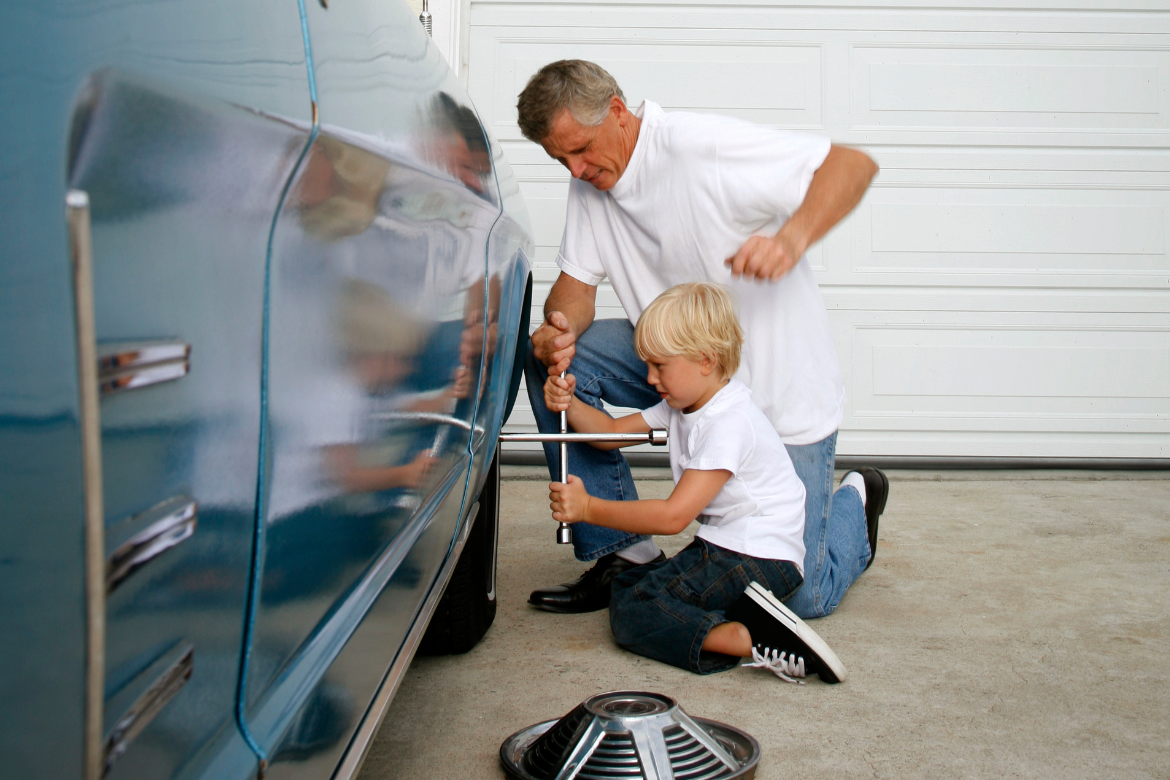

  • Car Maintenance Tips Every Dad Should Know

    Car Maintenance Tips Every Dad Should Know

    Car Maintenance Tips Every Dad Should Know

    As a dad, you’ve probably been the go-to person for all things mechanical, whether it’s fixing a squeaky toy or assembling the latest flat-pack furniture. But when it comes to car maintenance, it’s not just about convenience—it’s essential for safety, saving money, and avoiding those dreaded breakdowns, especially when you’ve got a car full of kids. In Australia, regular car maintenance is more important than ever, with over 19 million registered motor vehicles across the country, according to the Australian Bureau of Statistics. With our vast landscapes and long drives often being part of family life, keeping your car in good shape is a must. So, let’s dive into some car maintenance tips every Aussie dad should know to keep your family on the road safely and smoothly.

    The Importance of Car Maintenance for Aussie Dads

    Australia’s wide-open roads can take a toll on your vehicle, especially if you’re juggling school runs, weekend sports, and the occasional road trip. A 2019 survey by Canstar revealed that more than half of Australian drivers admit to skipping routine car maintenance, often leading to costly repairs down the track. For dads, the stakes are even higher, as a poorly maintained car can leave you stranded in the middle of nowhere—imagine that with kids in the back! Regular car maintenance not only keeps you safe but also helps extend the life of your vehicle, save money, and give you peace of mind knowing your family is riding in a reliable car.

    1. Check Your Oil Regularly

    Oil is the lifeblood of your engine. Without enough clean oil, your engine’s moving parts can’t stay lubricated, leading to wear and tear that could result in a breakdown or costly repairs. Checking your oil regularly is one of the simplest yet most important things you can do for your car.

    How to check your oil:

    • Park on a flat surface: Make sure your car is on level ground and the engine is cool.
    • Locate the dipstick: Pull it out, wipe it clean with a cloth, then reinsert it fully.
    • Check the level: Pull it out again and check where the oil sits in relation to the “low” and “full” marks. If it’s below the “low” mark, top it up with the correct oil for your car.

    Light-Hearted Tip:

    If your kids ask what you’re doing while checking the oil, you can tell them you’re giving the car a health check. “Just like a doctor, but for engines!”

    2. Keep Your Tyres in Check

    Your tyres are your car’s connection to the road, so keeping them in good condition is crucial. Proper tyre maintenance not only improves safety but also helps your car run more efficiently, saving you money on fuel.

    How to maintain your tyres:

    • Check the pressure: Under-inflated tyres wear out faster and increase fuel consumption. Check your tyre pressure once a month using a gauge, and inflate them according to the manufacturer’s recommendations (usually found in your car’s manual or on the door jamb).
    • Look for wear and tear: Inspect your tyres for signs of damage or uneven wear, which could indicate alignment issues. If the tread is worn down, it’s time to replace them—bald tyres won’t give you the grip you need, especially in wet weather.
    • Rotate your tyres: To ensure even wear, rotate your tyres every 10,000 kilometres. This helps them last longer and keeps your ride smoother.

    Light-Hearted Tip:

    Next time you’re at the petrol station, make a game of tyre checks with the kids. Let them “supervise” while you pump up the tyres, and maybe even give them a try at using the tyre gauge—under close watch, of course!

    3. Brakes: Don’t Ignore the Signs

    Your brakes are arguably the most important safety feature on your car, so keeping them in good condition is essential. Don’t wait until you hear that awful squealing noise to check them—by then, it could be too late.

    How to check your brakes:

    • Listen for unusual sounds: If you hear squealing, grinding, or clicking noises when you brake, it could mean your brake pads are worn down and need replacing.
    • Feel for changes: If your brake pedal feels spongy or if you notice your car pulling to one side when you brake, it’s time to get them checked by a professional.
    • Regular inspections: Have your brakes inspected at least once a year or during routine services.

    Light-Hearted Tip:

    If you hear squealing brakes while doing the school drop-off, don’t panic—it’s not your kids making the noise for once! Get them checked ASAP.

    4. Battery Basics: Keep It Charged

    There’s nothing worse than a flat battery when you’re about to head off on the weekend family adventure. Car batteries typically last 3-5 years, but extreme weather and regular short trips can reduce their lifespan. To avoid the inconvenience of a dead battery, it’s important to keep an eye on its condition.

    How to maintain your battery:

    • Look for signs of corrosion: Check the battery terminals for any buildup of white, powdery corrosion. If you spot it, you can clean it off with a mixture of baking soda and water, but be sure to wear gloves.
    • Test the charge: Many auto shops will test your battery for free, so if you notice your car struggling to start or dim headlights, it might be worth checking.
    • Drive regularly: If you’re only taking short trips, the alternator might not have enough time to fully recharge the battery. Consider taking your car for a longer drive every now and then to keep the battery healthy.

    Light-Hearted Tip:

    Explaining to your kids why the car won’t start? “The car’s battery is just like your tablet—it needs charging too!”

    5. Keep an Eye on Coolant and Fluids

    Your car relies on more than just oil to run smoothly. Coolant, brake fluid, and transmission fluid all play vital roles in keeping your engine running and your car safe.

    How to maintain your car’s fluids:

    • Coolant: Check your coolant level regularly, especially before long trips. It helps prevent the engine from overheating, which can be disastrous if ignored.
    • Brake fluid: Low brake fluid can affect your braking power, so it’s essential to top it up when needed. If you’re unsure, most service stations can help check your fluid levels.
    • Transmission fluid: This helps keep your car shifting smoothly. If it’s low or dirty, you might notice issues with gear changes. Have it checked during your car’s service.

    Light-Hearted Tip:

    Tell your kids that keeping the car’s fluids topped up is like making sure they’re hydrated—no one likes being thirsty!

    6. Wipers and Lights: See and Be Seen

    Clear vision is critical, especially during those rainy Aussie afternoons. Make sure your wiper blades are in good condition and that all your lights—headlights, brake lights, and indicators—are working properly.

    How to check wipers and lights:

    • Wiper blades: If your wipers leave streaks or make squeaky noises, it’s time for new ones. Changing them is quick and easy, and you can usually find replacement blades at your local auto shop.
    • Lights: Regularly check that all your lights are working by doing a quick walk-around. If you notice any bulbs out, replace them promptly to avoid getting pulled over or driving unsafely.

    Light-Hearted Tip:

    Let the kids play “cop” and check that your car’s lights are all working. It’s a fun way to get them involved and teach them about safety!

  • The Power of Play: Fun Activities to Do with Your Kids at Any Age

    The Power of Play: Fun Activities to Do with Your Kids at Any Age

    The Power of Play: Fun Activities to Do with Your Kids at Any Age

    In today’s fast-paced world, finding time to bond with your kids can be a challenge. But one of the most effective ways to connect with them—regardless of their age—is through play. Play isn’t just about fun; it’s crucial for your child’s development. According to Play Australia, play helps children build cognitive, emotional, and social skills. For dads, it’s also a brilliant way to foster stronger relationships with your children. Whether it’s kicking the footy in the backyard or playing a simple board game, shared activities provide meaningful moments that strengthen the bond between you and your kids.

    In Australia, a 2020 study from the Australian Institute of Family Studies showed that 81% of dads believe playing with their children is an essential part of their role as a parent. However, many dads also report feeling unsure about what activities to engage in, especially as their kids grow older. Fear not—this guide is packed with simple, fun ideas to get you playing with your kids, no matter their age.

    The Importance of Play in Australia

    Australian kids today are growing up with increasing pressures from school and extracurricular activities, not to mention the lure of screens. As a result, traditional playtime is sometimes pushed to the side. This is where dads come in! Getting involved in playful activities not only supports your child’s overall development but also gives them the chance to de-stress, exercise, and build essential life skills. Plus, play is the perfect opportunity to spend quality time together.

    Activities for Kids Aged 0-5: The Early Years

    In the early years, play is about discovery and interaction. Babies and toddlers are learning about the world around them, and your involvement in their play helps them develop confidence and trust.

    1. Peek-a-Boo and Hide-and-Seek

    For babies and toddlers, simple games like peek-a-boo and hide-and-seek are perfect. These games teach cause and effect, help build trust, and are always good for a laugh.

    • How to play: Hide behind a blanket or around a corner, then pop out with a smile and a “boo!” For toddlers, hiding behind a tree or in different rooms adds to the excitement.

    2. Messy Play

    Babies and toddlers love exploring different textures. Set up a messy play area with items like water, sand, or play dough (or even a good old Aussie mud pit). This type of sensory play is fantastic for their cognitive and motor skills.

    • Bonus Tip: Be prepared for a mess, but remember—it’s all part of the fun! Set up an area outside, maybe with a small paddling pool, so the cleanup is easy.

    3. Nature Walks

    Even little ones can enjoy the great outdoors. Take your child for a nature walk around your local park or backyard. Point out different plants, animals, and sounds along the way. It’s never too early to get them interested in the beauty of Australia’s natural landscape.

    • Light-Hearted Tip: Turn it into a mini-adventure by creating a simple scavenger hunt for rocks, leaves, or birds. Even if they don’t quite get the concept, they’ll love the excitement!

    Activities for Kids Aged 6-12: The Primary Years

    As kids grow older, they start to enjoy more complex games and activities. These years are prime for physical play, games that encourage teamwork, and activities that build problem-solving skills.

    1. Backyard Sports

    Whether it’s backyard cricket, kicking the footy, or a game of soccer, physical activities are a great way to bond. Not only do they help your child stay active, but they also build teamwork, coordination, and resilience.

    • Aussie Classic: Teach your kids how to play backyard cricket—an essential Aussie skill. It’s a brilliant way to spend an afternoon, and even the family dog can get involved as the “fielder.”

    2. Board Games and Card Games

    Games like Uno, Monopoly, or Connect Four are perfect for kids in this age group. They teach problem-solving, patience, and the art of friendly competition. Bonus points if you get the whole family involved for a game night!

    • Light-Hearted Tip: If you find yourself losing more games than you win, don’t worry—it’s all about building your child’s confidence, right?

    3. DIY Projects

    Kids at this age love creating things with their hands. Try DIY projects like building a birdhouse, making slime, or putting together a simple model. These projects encourage creativity and give you time to work side by side.

    • Bonus: It’s a great way to sneak in some life lessons, like how to use tools safely or the satisfaction of completing a project.

    Activities for Teens: The Tricky Teen Years

    Teens can be a bit harder to engage in play, but it’s more important than ever to stay connected. The key is to find activities that align with their interests while giving you the chance to bond without making it feel forced.

    1. Outdoor Adventures

    For active teens, outdoor activities like hiking, surfing, or mountain biking are perfect. Australia is home to some of the world’s most stunning landscapes, and exploring them together is a great way to spend time while getting some fresh air and exercise.

    • Light-Hearted Tip: If your teen rolls their eyes at the idea of a bushwalk, turn it into an adventure by incorporating geocaching—an outdoor treasure-hunting game that adds a bit of tech to the mix.

    2. Video Games

    If your teen is into video games, try joining them for a session. While it might not be your first choice, playing their favourite game with them shows that you’re interested in their world and willing to connect on their terms.

    • Hint: You don’t have to be a gaming expert—just showing interest and learning a few moves will go a long way. Plus, it might give you some insight into their interests and how they think.

    3. Cooking Together

    Many teens enjoy cooking and experimenting in the kitchen. Pick a favourite meal or dessert and cook together. It’s a great opportunity to chat, teach them some life skills, and enjoy the delicious outcome.

    • Bonus Tip: If they’re not keen on cooking, get them involved in planning the meal or choosing the menu. You can always sneak in a cooking lesson disguised as making their favourite snack.

    Light-Hearted Advice for Dads

    Play isn’t just for your kids—it’s for you too. The beauty of play is that it brings out the inner child in all of us, whether you’re chasing your toddler around the park or building a DIY project with your pre-teen. Don’t worry about looking silly or “doing it wrong”—the most important thing is to be present, have fun, and enjoy the time together.

    • Get creative: Sometimes the best games are the ones you make up on the spot. Don’t be afraid to get imaginative with your kids—they’ll love it.
    • Let them take the lead: Often, your kids will come up with their own ideas for games. Let them take charge, and you might be surprised by how much fun it is.
  • Saving for Your Child’s Future: What Dads Need to Know About Education Funds

    Saving for Your Child’s Future: What Dads Need to Know About Education Funds

    Saving for Your Child’s Future: What Dads Need to Know About Education Funds

    As dads, we all want to give our kids the best possible start in life, and a big part of that is ensuring they have access to a quality education. But let’s be honest—education doesn’t come cheap. From school fees to extracurricular activities, the costs can add up fast. According to the Australian Scholarships Group (ASG), the cost of educating a child in Australia from preschool through to Year 12 can exceed $68,000 for public schooling and more than $475,000 for private education. So, how do you set your kids up for success without emptying your wallet? With a little planning and some smart saving strategies, you can make sure your child’s future is secure.

    Why Saving for Your Child’s Education Matters in Australia

    In Australia, the cost of education is steadily rising. Whether you’re aiming for public, private, or even homeschooling, saving early can help ease the financial burden later. A study by the Financial Planning Association of Australia revealed that 73% of parents worry about the cost of their children’s education, and 58% wish they’d started saving earlier. As a dad, it’s important to consider how you’ll contribute to your child’s education, so you’re not scrambling to find funds when the school fees start rolling in.

    Education doesn’t just cover tuition fees—it includes things like uniforms, textbooks, school excursions, and even laptops or tablets for learning. By starting a savings plan now, you can be prepared for these future expenses and give your child access to the best learning opportunities.

    Step 1: Start Early – It’s Never Too Soon

    The best time to start saving for your child’s education is as early as possible. The earlier you start, the more time your money has to grow, thanks to compound interest. Think of it like planting a tree—the sooner you plant it, the more it will grow over time.

    • Open a dedicated savings account: One of the simplest ways to get started is by opening a high-interest savings account specifically for education expenses. Banks like ANZ, Commonwealth Bank, and ING offer savings accounts with competitive interest rates.
    • Consider investment options: If you’re planning for the long-term, investing in shares or a managed fund could be a smart move. Just remember that these options come with risks, so it’s worth talking to a financial advisor about what’s right for you.
    • Start small and build up: You don’t have to deposit large sums of money right away. Even small, regular contributions can add up over time. For example, setting aside $20 a week from the time your child is born could grow to over $18,000 by the time they turn 18 (assuming a modest interest rate).

    Step 2: Explore Education-Specific Savings Plans

    If you’re looking for a more targeted approach, education-specific savings plans can be a great option. These plans are designed to help parents save specifically for their children’s education, often with tax benefits or incentives.

    • Education Savings Plans (ESP): These plans allow you to save money for your child’s future schooling while earning interest. The funds can only be used for educational purposes, which makes them a dedicated savings vehicle. Organisations like ASG offer ESPs tailored to Australian families.
    • Tax benefits: Some education savings plans come with tax advantages, allowing your savings to grow tax-free or at a reduced tax rate. This can make a big difference over the long term.
    • Flexibility: Many of these plans allow you to make regular contributions, so you can adapt to your financial situation as it changes.

    Step 3: Don’t Forget Government Assistance

    In Australia, there are several government programs and grants designed to help with education costs. It’s worth exploring these options to see if you’re eligible.

    • Child Care Subsidy (CCS): If your child is in daycare or preschool, you may be eligible for the CCS, which helps cover a portion of childcare fees.
    • Austudy and Youth Allowance: When your child gets older, they may be eligible for government payments like Austudy or Youth Allowance, which help cover the costs of higher education.

    While these programs won’t cover everything, they can certainly take some of the pressure off and make education more affordable.

    Step 4: Budget for the Extras

    Education costs aren’t just about tuition. There are plenty of extra expenses that come with raising a child, from school uniforms and textbooks to school camps and extracurricular activities. These costs can creep up on you if you’re not prepared.

    • Uniforms and textbooks: These are often mandatory and can be surprisingly expensive. Keep an eye out for second-hand uniform shops and textbook exchanges, which can help reduce costs.
    • Extracurricular activities: Sports, music lessons, and school camps can add up, so make sure you budget for these as well. Encourage your child to choose activities they’re passionate about to make sure you’re getting the most out of these investments.

    Light-Hearted Tip:

    When budgeting for extracurriculars, remember you don’t need to raise the next Tim Cahill or Cathy Freeman. Let your child try a few things without overcommitting to every activity under the sun.

    Step 5: Keep an Eye on Progress

    Once you’ve got a savings plan in place, it’s important to check in regularly to see how you’re tracking. Adjust your contributions if you’re able, and stay on top of any changes in education costs.

    • Review your savings annually: Check your account balances and see if you need to make any changes to your savings strategy. You might find that you can increase your contributions as your income grows or adjust your investment portfolio as your child gets older.
    • Stay flexible: Life happens, and you may need to adjust your savings plan if unexpected expenses come up. The important thing is to stay consistent and keep saving, even if you need to make small changes along the way.

    Final Thoughts: Don’t Stress, You’re Doing Great

    Saving for your child’s education is a long-term game, and there’s no need to stress if you’re not able to save a huge amount right away. Every little bit helps, and as long as you’re making regular contributions and staying consistent, you’re giving your child a solid foundation for the future.

    Remember, being a dad isn’t just about providing financially—it’s about supporting your child in all aspects of life. By planning ahead and being proactive, you’re setting them up for success, both academically and beyond.

    Light-Hearted Advice for Dads:

    Don’t panic if you didn’t start saving the moment your little one was born. We’re not all financial gurus, but we’re all capable of setting aside a few bucks here and there. Besides, who knows—your kid might grow up to invent the next big thing and fund their own education!

  • Getting Fit as a New Dad: Simple Exercises to Do at Home

    Getting Fit as a New Dad: Simple Exercises to Do at Home

    Getting Fit as a New Dad: Simple Exercises to Do at Home

    Becoming a dad is a life-changing experience, but it often comes with new challenges—including finding the time to stay fit. Between late-night feeds and nappy changes, carving out time for the gym might seem impossible. However, keeping physically fit is essential for your overall wellbeing, and it helps you keep up with the demands of fatherhood. According to the Australian Institute of Health and Welfare, regular physical activity can reduce the risk of chronic diseases, boost mental health, and improve energy levels. As a new dad, staying fit means you’re better equipped to care for your family, manage stress, and enjoy time with your kids.

    Why Fitness Matters for Aussie Dads

    It’s easy to let fitness slide when you’re juggling the responsibilities of fatherhood, but staying active is vital. In Australia, around 45% of men are not getting enough physical activity, which can lead to increased risks of health issues. Keeping fit not only benefits your health but also sets a positive example for your kids. They’ll see you prioritising physical activity, which encourages them to develop healthy habits as they grow. And the best part? You don’t need a fancy gym membership or loads of time to stay active. With a few simple exercises, you can fit fitness into your busy schedule—right from your living room.

    Getting Started: Fitness for Busy Dads

    You might not have an hour to spare, but even short bursts of exercise can make a difference. Here are a few tips for getting started:

    • Set realistic goals: Start small and build from there. Aim for 15-20 minutes a day, and remember, consistency is key.
    • Use your surroundings: You don’t need expensive equipment. Use your body weight, furniture, and household items to create an effective workout.
    • Involve your baby: If you can’t fit in exercise alone, why not include your baby? A baby carrier or pram can add a fun twist to your workout and give you quality time together.

    Simple Exercises for New Dads

    Here are some easy exercises that require no special equipment and can be done at home. They’re designed to improve strength, flexibility, and overall fitness, making them perfect for new dads.

    1. Squats

    Squats are great for strengthening your legs, glutes, and core. Plus, they’re functional—meaning they help you with daily tasks, like picking up toys or lifting your little one.

    1. Stand with your feet shoulder-width apart.
    2. Lower down as if you’re sitting in a chair, keeping your knees behind your toes.
    3. Push through your heels to return to standing.
    4. Repeat for 10-15 reps.

    Pro tip: If you’re holding your baby, keep them close to your chest for added resistance.

    2. Push-Ups

    Push-ups target your chest, shoulders, and arms. They’re a classic exercise that you can modify based on your fitness level.

    1. Start in a plank position, with your hands directly under your shoulders.
    2. Lower your body until your chest nearly touches the floor.
    3. Push back up to the starting position.
    4. Aim for 8-12 reps.

    Modification: If regular push-ups are too challenging, drop to your knees to make them easier.

    3. Lunges

    Lunges are excellent for building lower body strength and improving balance. You can do them anywhere, even while holding your baby.

    1. Stand with your feet hip-width apart.
    2. Step forward with one leg, lowering your body until your front knee is at a 90-degree angle.
    3. Push through your front heel to return to the starting position.
    4. Repeat on the other leg and aim for 10 reps per side.

    4. Plank

    The plank is a powerful core exercise that targets your abs, back, and shoulders. It helps improve stability, which is handy for all those tasks that require you to bend, lift, and carry.

    1. Start in a forearm plank position, with your elbows directly under your shoulders.
    2. Keep your body in a straight line from head to heels.
    3. Hold for 20-30 seconds, gradually increasing as you get stronger.

    5. Glute Bridges

    Glute bridges are perfect for strengthening your glutes and lower back, areas that are often neglected but essential for everyday movements.

    1. Lie on your back with your knees bent and feet flat on the floor, hip-width apart.
    2. Lift your hips towards the ceiling, squeezing your glutes at the top.
    3. Lower back down and repeat for 12-15 reps.

    Bonus: This exercise can be done with your baby on your stomach for added resistance!

    Involve Your Baby (And Have Fun)

    If finding time alone is tricky, get your baby involved. Use their weight for resistance in exercises like squats, lunges, and even shoulder presses. Not only will this make your workout more challenging, but it’s also a fun way to bond with your baby. You can even do tummy time together—pop into a plank while your little one works on their strength and coordination.

    Light-Hearted Tips for Staying Motivated

    Sticking to a fitness routine isn’t always easy, especially when you’re a new dad. Here are some light-hearted tips to keep you motivated:

    • Set up a reward system: Treat yourself to a coffee or a favourite snack after a week of workouts. It’s the little things that keep you going.
    • Use dad jokes as motivation: Think of it as training for the future dad joke battles you’ll have. Your kids will thank you for the cringe-worthy puns.
    • Don’t sweat the small stuff: If you miss a workout, don’t stress. Every little bit counts, and you’re still doing great.

    Resources for More Fitness Support

    If you’re looking for extra guidance, consider checking out online resources like the Australian Men’s Health Forum, which offers tips and advice on staying active. The Heart Foundation also has great information on incorporating physical activity into daily life, making it easier to prioritise your health.

    Getting fit as a new dad doesn’t have to be complicated or time-consuming. With these simple exercises, you can build strength, boost your energy, and stay active without leaving the house. Remember, staying fit isn’t just about looking good; it’s about feeling good and being ready to tackle all that fatherhood throws your way. So grab a mat, a water bottle, and maybe even your little one, and get started today.

  • Budgeting for a Family: Tips for New Dads

    Budgeting for a Family: Tips for New Dads

    Budgeting for a Family: Tips for New Dads

    Starting a family is an exciting adventure, but it also comes with a lot of new expenses. From nappies to school fees, the costs add up quickly, and if you’re not careful, they can catch you off guard. In Australia, the average family spends over $13,000 per child per year, according to a recent study by AMP. For new dads, budgeting is crucial to ensure that you’re prepared for the ups and downs of family finances. The good news? With a few smart strategies, you can manage your money effectively, enjoy the journey, and avoid the dreaded financial stress.

    Why Budgeting Matters for New Dads

    The early years of parenting are a whirlwind of joy, sleepless nights, and, yes, spending. Many new dads quickly realise that having a baby can strain their finances if they’re not prepared. According to the Australian Bureau of Statistics, around 62% of families report financial stress, which is why setting up a budget can help you feel more in control. Budgeting is not about pinching pennies but making sure you’re allocating your funds wisely. After all, it’s about providing the best for your family, without the stress of living paycheque to paycheque.

    Embrace the Power of Budgeting (Even If It’s Not Exciting)

    Okay, let’s be real. Budgeting isn’t usually anyone’s idea of a good time. But think of it like getting your finances fit. Just like hitting the gym, it’s tough at first, but it pays off in the long run. Here are some down-to-earth tips for new dads who need to make budgeting a part of their routine:

    • Get started with small steps: Don’t worry about building a perfect budget right away. Start by tracking your spending for a month to get a sense of where your money is going.
    • Use a budgeting app: Apps like Pocketbook and MoneyBrilliant make it easy to track your spending and set up a budget. They do the maths for you, so you can focus on the important stuff.
    • Have a family money chat: Sit down with your partner and talk about your financial goals. It doesn’t have to be a long conversation, but getting on the same page is a great first step.

    Family Budgeting Tips for New Dads

    Now that you’re ready to dive into the world of budgeting, let’s go through some practical tips to help you manage your money as a new dad.

    1. Plan for Essentials (Nappies, Formula, and More)

    Babies come with a whole lot of essentials. From nappies to formula, these basics will quickly eat into your budget. Look for ways to save on the everyday stuff so you can allocate more money to other areas.

    • Bulk-buy where you can: Nappies, wipes, and formula are cheaper when you buy in bulk. Check out stores like Costco or Chemist Warehouse for deals.
    • Use loyalty programs: Supermarkets often have loyalty programs that can help you earn discounts on essential items. It may seem small, but every little bit helps.
    • Consider second-hand items: Babies outgrow clothes and toys at lightning speed, so don’t be afraid to shop second-hand or accept hand-me-downs from friends and family.

    2. Build an Emergency Fund

    An emergency fund is essential for covering unexpected expenses, from medical bills to car repairs. As a new dad, you never know what surprise costs might pop up, so having a safety net can save you a lot of stress.

    • Set up a separate savings account: Having a dedicated account for emergencies makes it easier to avoid dipping into it for non-emergencies.
    • Start small: Aim to save at least $1,000 to begin with, and then work your way up to three to six months of living expenses over time.
    • Automate your savings: Set up an automatic transfer to your emergency fund each pay period. You won’t miss the money, and you’ll be building a buffer without even thinking about it.

    3. Look for Free Family Fun

    You don’t need to spend a lot to enjoy time with your family. Australia is full of beautiful parks, beaches, and free activities that are perfect for family outings.

    • Check out local parks and nature reserves: Pack a picnic and enjoy a day outdoors. Places like the Royal Botanic Garden in Sydney or Kings Park in Perth offer plenty of family-friendly activities for free.
    • Visit your local library: Libraries aren’t just for books. They often have free storytime sessions, activities, and events for kids, making them a great (and free) way to entertain little ones.
    • Explore free events: Many councils run free family events throughout the year. Keep an eye on your local council’s website for community festivals, markets, and other events that won’t break the bank.

    4. Set Up a Savings Plan for Future Expenses

    As your little one grows, so will the costs. Things like childcare, education, and extracurricular activities can put a strain on your finances down the line. Setting up a savings plan now can help you prepare for those future expenses.

    • Consider a high-interest savings account: Look for an account with a good interest rate to help your savings grow over time. Sites like Canstar can help you compare options.
    • Use separate accounts for different goals: If you’re saving for multiple things, consider using separate accounts for each goal. It helps you keep track of progress and avoids dipping into funds earmarked for specific expenses.
    • Automate contributions: Set up automatic transfers for each savings goal, so you’re always making progress without having to think about it.

    Light-Hearted Budgeting Tips for New Dads

    We all know budgeting can be a bit of a drag, so here are some light-hearted tips to keep you motivated:

    • Think of it as a game: Set small goals and reward yourself when you reach them. Saved $100 on groceries this month? Treat yourself to a coffee (or even an extra-large flat white).
    • Make it a family challenge: Get the kids involved in simple ways, like finding the cheapest brand of pasta or spotting the best bargains at the supermarket.
    • Celebrate the wins: Budgeting can be tough, so celebrate your successes—no matter how small. Pat yourself on the back for staying under budget or finding a great deal on nappies.

    Additional Resources for Budgeting

    If you’re looking for more help with budgeting, there are plenty of resources out there. The MoneySmart website by the Australian Securities and Investments Commission (ASIC) offers budgeting tools, calculators, and advice to help you manage your money. MensLine Australia also provides support and resources if financial stress is affecting your mental health.

    Budgeting as a new dad might seem like a lot of effort, but with some planning and a few clever tricks, you can stay on top of your finances and enjoy the journey. Remember, it’s all about making smart choices that allow you to provide for your family and still have a little fun along the way.