
Category: Lifestyle

  • Celebrating Dads on International Men’s Day: The Grind, the Joy, and the Legacy

    Celebrating Dads on International Men’s Day: The Grind, the Joy, and the Legacy

    Celebrating Dads on International Men’s Day: The Grind, the Joy, and the Legacy

    November 19 marks International Men’s Day, a day to celebrate the contributions, sacrifices, and achievements of men worldwide. It’s an opportunity to reflect on the role men play in society, especially as fathers. While raising a family is undeniably a team effort—with mothers and fathers (and sometimes grandparents, guardians, and extended family) all playing crucial roles—today, we’re focusing on dads. We’re diving into the unique challenges, joys, and responsibilities of fatherhood and celebrating the profound impact dads have on their families and the world around them.


    The Grind: Sleepless Nights and Non-Stop Hustle

    Fatherhood isn’t for the faint-hearted. It’s a relentless cycle of late-night feedings, early morning school runs, and an ever-growing list of responsibilities. Dads tackle it all, from assembling impossible IKEA furniture to perfecting the art of diaper changes, often while balancing the pressures of work and home life.

    But it’s not just about physical labor—it’s the emotional grind, too. Fathers often carry the weight of providing stability and security, not just financially but emotionally. Whether it’s offering a listening ear or a reassuring hug, dads step up as the anchors of their families, even when the going gets tough.

    It’s a thankless job sometimes, but the grind is also what makes the little victories so rewarding. For every moment spent fixing a leaky faucet or solving the mystery of the missing sock, there’s the quiet satisfaction of knowing you’re making a difference in your family’s life.


    Positive Role Models: Teaching Values Through Action

    While mothers are often celebrated for their nurturing roles, fathers bring their own unique strengths to the parenting table. Dads are role models, showing their kids what it means to live with integrity, resilience, and empathy.

    Kids might not remember every piece of advice their dads give (or they might selectively “forget”), but they’ll always remember the example set. Whether it’s how you treat others, how you handle stress, or even how you laugh at yourself after a silly mistake, children learn important lessons just by watching you.

    And let’s not forget humor—an essential part of fatherhood. Yes, those groan-worthy dad jokes are more than just icebreakers; they’re a way of showing kids it’s okay to laugh at life, to find joy in the everyday, and not to take things too seriously.


    The Joy: Little Moments, Big Rewards

    The hard work of fatherhood is balanced by countless moments of joy. There’s nothing like hearing your baby’s first laugh, seeing your child conquer a challenge, or being greeted with a bear hug at the end of a long day.

    Dads know the power of these small, beautiful moments. It’s in the pride of teaching your child how to ride a bike, the warmth of reading a bedtime story, and the laughter that erupts during family game night. These memories remind you why the grind is worth it.

    The joy of fatherhood isn’t in grand gestures but in the everyday moments of connection. It’s being present, being dependable, and being the person your kids look up to, not because you’re perfect, but because you’re there.


    The Responsibility: Power and Purpose

    Fatherhood carries a unique kind of power—the power to shape the future. With that power comes the responsibility to lead with purpose, instill values, and build confidence in the next generation.

    This doesn’t mean dads have to shoulder this burden alone. Parenting is a partnership, and fathers and mothers often work as a team to raise their children. But the role of a father is irreplaceable, offering a perspective, strength, and love that complements and enriches the parenting journey.

    It’s about finding balance, knowing when to guide and when to let go, and being a steady, loving presence through life’s ups and downs.


    Acknowledging Mothers and the Joint Effort

    It’s important to acknowledge that parenting is a collective effort, and mothers are integral to the process. Their contributions are invaluable and often overlap with the roles fathers play. This isn’t about dividing credit; it’s about recognizing the distinct strengths and perspectives each parent brings to the table.

    That said, today is International Men’s Day, so we’re taking a moment to focus on dads—their unique challenges, contributions, and the powerful role they play in shaping their families and society.


    A Day to Celebrate

    So, here’s to the dads: the bedtime storytellers, Lego builders, school lunch packers, and midnight-soother superheroes. Your hard work, your sacrifices, and your love create ripples that extend far beyond your family, shaping communities and the world at large.

    Fatherhood isn’t about perfection; it’s about showing up. It’s about being the person your kids can count on, day in and day out. Today, we celebrate all you bring to the table, not because you seek recognition, but because your role deserves it.

    Happy International Men’s Day to all the fathers, father figures, and men making a difference. Keep going—you’re doing an amazing job!
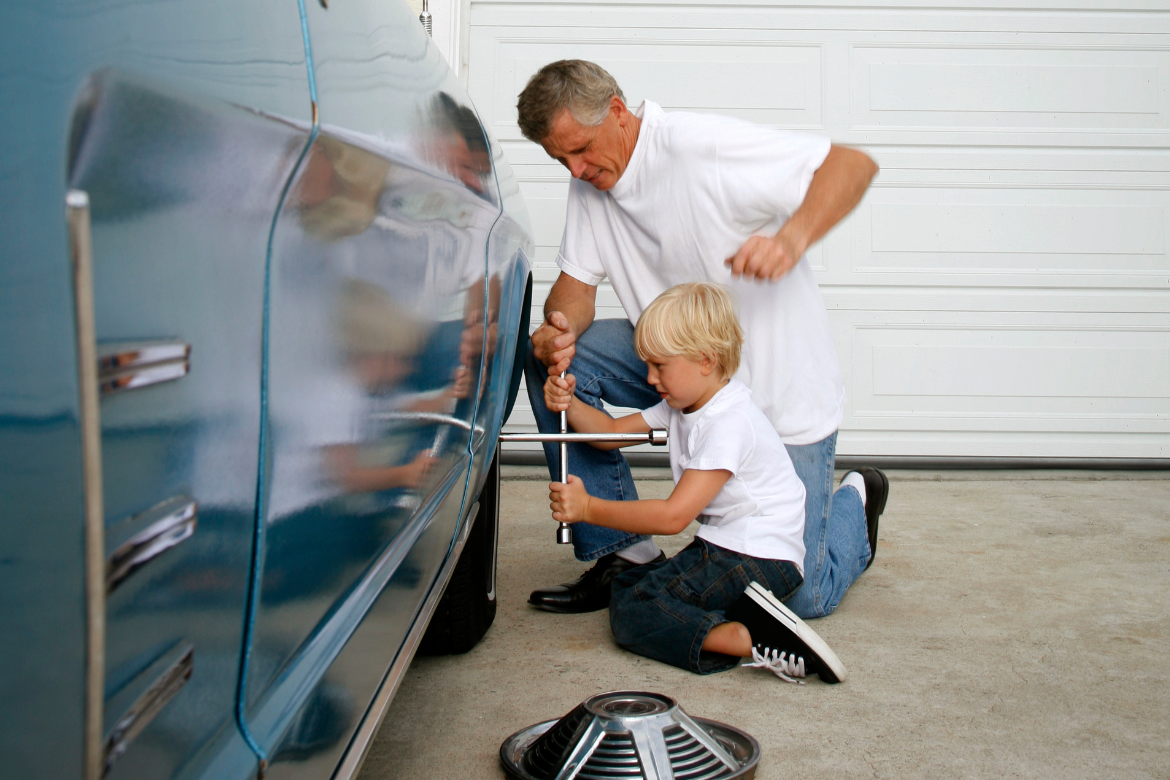

  • Car Maintenance Tips Every Dad Should Know

    Car Maintenance Tips Every Dad Should Know

    Car Maintenance Tips Every Dad Should Know

    As a dad, you’ve probably been the go-to person for all things mechanical, whether it’s fixing a squeaky toy or assembling the latest flat-pack furniture. But when it comes to car maintenance, it’s not just about convenience—it’s essential for safety, saving money, and avoiding those dreaded breakdowns, especially when you’ve got a car full of kids. In Australia, regular car maintenance is more important than ever, with over 19 million registered motor vehicles across the country, according to the Australian Bureau of Statistics. With our vast landscapes and long drives often being part of family life, keeping your car in good shape is a must. So, let’s dive into some car maintenance tips every Aussie dad should know to keep your family on the road safely and smoothly.

    The Importance of Car Maintenance for Aussie Dads

    Australia’s wide-open roads can take a toll on your vehicle, especially if you’re juggling school runs, weekend sports, and the occasional road trip. A 2019 survey by Canstar revealed that more than half of Australian drivers admit to skipping routine car maintenance, often leading to costly repairs down the track. For dads, the stakes are even higher, as a poorly maintained car can leave you stranded in the middle of nowhere—imagine that with kids in the back! Regular car maintenance not only keeps you safe but also helps extend the life of your vehicle, save money, and give you peace of mind knowing your family is riding in a reliable car.

    1. Check Your Oil Regularly

    Oil is the lifeblood of your engine. Without enough clean oil, your engine’s moving parts can’t stay lubricated, leading to wear and tear that could result in a breakdown or costly repairs. Checking your oil regularly is one of the simplest yet most important things you can do for your car.

    How to check your oil:

    • Park on a flat surface: Make sure your car is on level ground and the engine is cool.
    • Locate the dipstick: Pull it out, wipe it clean with a cloth, then reinsert it fully.
    • Check the level: Pull it out again and check where the oil sits in relation to the “low” and “full” marks. If it’s below the “low” mark, top it up with the correct oil for your car.

    Light-Hearted Tip:

    If your kids ask what you’re doing while checking the oil, you can tell them you’re giving the car a health check. “Just like a doctor, but for engines!”

    2. Keep Your Tyres in Check

    Your tyres are your car’s connection to the road, so keeping them in good condition is crucial. Proper tyre maintenance not only improves safety but also helps your car run more efficiently, saving you money on fuel.

    How to maintain your tyres:

    • Check the pressure: Under-inflated tyres wear out faster and increase fuel consumption. Check your tyre pressure once a month using a gauge, and inflate them according to the manufacturer’s recommendations (usually found in your car’s manual or on the door jamb).
    • Look for wear and tear: Inspect your tyres for signs of damage or uneven wear, which could indicate alignment issues. If the tread is worn down, it’s time to replace them—bald tyres won’t give you the grip you need, especially in wet weather.
    • Rotate your tyres: To ensure even wear, rotate your tyres every 10,000 kilometres. This helps them last longer and keeps your ride smoother.

    Light-Hearted Tip:

    Next time you’re at the petrol station, make a game of tyre checks with the kids. Let them “supervise” while you pump up the tyres, and maybe even give them a try at using the tyre gauge—under close watch, of course!

    3. Brakes: Don’t Ignore the Signs

    Your brakes are arguably the most important safety feature on your car, so keeping them in good condition is essential. Don’t wait until you hear that awful squealing noise to check them—by then, it could be too late.

    How to check your brakes:

    • Listen for unusual sounds: If you hear squealing, grinding, or clicking noises when you brake, it could mean your brake pads are worn down and need replacing.
    • Feel for changes: If your brake pedal feels spongy or if you notice your car pulling to one side when you brake, it’s time to get them checked by a professional.
    • Regular inspections: Have your brakes inspected at least once a year or during routine services.

    Light-Hearted Tip:

    If you hear squealing brakes while doing the school drop-off, don’t panic—it’s not your kids making the noise for once! Get them checked ASAP.

    4. Battery Basics: Keep It Charged

    There’s nothing worse than a flat battery when you’re about to head off on the weekend family adventure. Car batteries typically last 3-5 years, but extreme weather and regular short trips can reduce their lifespan. To avoid the inconvenience of a dead battery, it’s important to keep an eye on its condition.

    How to maintain your battery:

    • Look for signs of corrosion: Check the battery terminals for any buildup of white, powdery corrosion. If you spot it, you can clean it off with a mixture of baking soda and water, but be sure to wear gloves.
    • Test the charge: Many auto shops will test your battery for free, so if you notice your car struggling to start or dim headlights, it might be worth checking.
    • Drive regularly: If you’re only taking short trips, the alternator might not have enough time to fully recharge the battery. Consider taking your car for a longer drive every now and then to keep the battery healthy.

    Light-Hearted Tip:

    Explaining to your kids why the car won’t start? “The car’s battery is just like your tablet—it needs charging too!”

    5. Keep an Eye on Coolant and Fluids

    Your car relies on more than just oil to run smoothly. Coolant, brake fluid, and transmission fluid all play vital roles in keeping your engine running and your car safe.

    How to maintain your car’s fluids:

    • Coolant: Check your coolant level regularly, especially before long trips. It helps prevent the engine from overheating, which can be disastrous if ignored.
    • Brake fluid: Low brake fluid can affect your braking power, so it’s essential to top it up when needed. If you’re unsure, most service stations can help check your fluid levels.
    • Transmission fluid: This helps keep your car shifting smoothly. If it’s low or dirty, you might notice issues with gear changes. Have it checked during your car’s service.

    Light-Hearted Tip:

    Tell your kids that keeping the car’s fluids topped up is like making sure they’re hydrated—no one likes being thirsty!

    6. Wipers and Lights: See and Be Seen

    Clear vision is critical, especially during those rainy Aussie afternoons. Make sure your wiper blades are in good condition and that all your lights—headlights, brake lights, and indicators—are working properly.

    How to check wipers and lights:

    • Wiper blades: If your wipers leave streaks or make squeaky noises, it’s time for new ones. Changing them is quick and easy, and you can usually find replacement blades at your local auto shop.
    • Lights: Regularly check that all your lights are working by doing a quick walk-around. If you notice any bulbs out, replace them promptly to avoid getting pulled over or driving unsafely.

    Light-Hearted Tip:

    Let the kids play “cop” and check that your car’s lights are all working. It’s a fun way to get them involved and teach them about safety!

  • The Power of Play: Fun Activities to Do with Your Kids at Any Age

    The Power of Play: Fun Activities to Do with Your Kids at Any Age

    The Power of Play: Fun Activities to Do with Your Kids at Any Age

    In today’s fast-paced world, finding time to bond with your kids can be a challenge. But one of the most effective ways to connect with them—regardless of their age—is through play. Play isn’t just about fun; it’s crucial for your child’s development. According to Play Australia, play helps children build cognitive, emotional, and social skills. For dads, it’s also a brilliant way to foster stronger relationships with your children. Whether it’s kicking the footy in the backyard or playing a simple board game, shared activities provide meaningful moments that strengthen the bond between you and your kids.

    In Australia, a 2020 study from the Australian Institute of Family Studies showed that 81% of dads believe playing with their children is an essential part of their role as a parent. However, many dads also report feeling unsure about what activities to engage in, especially as their kids grow older. Fear not—this guide is packed with simple, fun ideas to get you playing with your kids, no matter their age.

    The Importance of Play in Australia

    Australian kids today are growing up with increasing pressures from school and extracurricular activities, not to mention the lure of screens. As a result, traditional playtime is sometimes pushed to the side. This is where dads come in! Getting involved in playful activities not only supports your child’s overall development but also gives them the chance to de-stress, exercise, and build essential life skills. Plus, play is the perfect opportunity to spend quality time together.

    Activities for Kids Aged 0-5: The Early Years

    In the early years, play is about discovery and interaction. Babies and toddlers are learning about the world around them, and your involvement in their play helps them develop confidence and trust.

    1. Peek-a-Boo and Hide-and-Seek

    For babies and toddlers, simple games like peek-a-boo and hide-and-seek are perfect. These games teach cause and effect, help build trust, and are always good for a laugh.

    • How to play: Hide behind a blanket or around a corner, then pop out with a smile and a “boo!” For toddlers, hiding behind a tree or in different rooms adds to the excitement.

    2. Messy Play

    Babies and toddlers love exploring different textures. Set up a messy play area with items like water, sand, or play dough (or even a good old Aussie mud pit). This type of sensory play is fantastic for their cognitive and motor skills.

    • Bonus Tip: Be prepared for a mess, but remember—it’s all part of the fun! Set up an area outside, maybe with a small paddling pool, so the cleanup is easy.

    3. Nature Walks

    Even little ones can enjoy the great outdoors. Take your child for a nature walk around your local park or backyard. Point out different plants, animals, and sounds along the way. It’s never too early to get them interested in the beauty of Australia’s natural landscape.

    • Light-Hearted Tip: Turn it into a mini-adventure by creating a simple scavenger hunt for rocks, leaves, or birds. Even if they don’t quite get the concept, they’ll love the excitement!

    Activities for Kids Aged 6-12: The Primary Years

    As kids grow older, they start to enjoy more complex games and activities. These years are prime for physical play, games that encourage teamwork, and activities that build problem-solving skills.

    1. Backyard Sports

    Whether it’s backyard cricket, kicking the footy, or a game of soccer, physical activities are a great way to bond. Not only do they help your child stay active, but they also build teamwork, coordination, and resilience.

    • Aussie Classic: Teach your kids how to play backyard cricket—an essential Aussie skill. It’s a brilliant way to spend an afternoon, and even the family dog can get involved as the “fielder.”

    2. Board Games and Card Games

    Games like Uno, Monopoly, or Connect Four are perfect for kids in this age group. They teach problem-solving, patience, and the art of friendly competition. Bonus points if you get the whole family involved for a game night!

    • Light-Hearted Tip: If you find yourself losing more games than you win, don’t worry—it’s all about building your child’s confidence, right?

    3. DIY Projects

    Kids at this age love creating things with their hands. Try DIY projects like building a birdhouse, making slime, or putting together a simple model. These projects encourage creativity and give you time to work side by side.

    • Bonus: It’s a great way to sneak in some life lessons, like how to use tools safely or the satisfaction of completing a project.

    Activities for Teens: The Tricky Teen Years

    Teens can be a bit harder to engage in play, but it’s more important than ever to stay connected. The key is to find activities that align with their interests while giving you the chance to bond without making it feel forced.

    1. Outdoor Adventures

    For active teens, outdoor activities like hiking, surfing, or mountain biking are perfect. Australia is home to some of the world’s most stunning landscapes, and exploring them together is a great way to spend time while getting some fresh air and exercise.

    • Light-Hearted Tip: If your teen rolls their eyes at the idea of a bushwalk, turn it into an adventure by incorporating geocaching—an outdoor treasure-hunting game that adds a bit of tech to the mix.

    2. Video Games

    If your teen is into video games, try joining them for a session. While it might not be your first choice, playing their favourite game with them shows that you’re interested in their world and willing to connect on their terms.

    • Hint: You don’t have to be a gaming expert—just showing interest and learning a few moves will go a long way. Plus, it might give you some insight into their interests and how they think.

    3. Cooking Together

    Many teens enjoy cooking and experimenting in the kitchen. Pick a favourite meal or dessert and cook together. It’s a great opportunity to chat, teach them some life skills, and enjoy the delicious outcome.

    • Bonus Tip: If they’re not keen on cooking, get them involved in planning the meal or choosing the menu. You can always sneak in a cooking lesson disguised as making their favourite snack.

    Light-Hearted Advice for Dads

    Play isn’t just for your kids—it’s for you too. The beauty of play is that it brings out the inner child in all of us, whether you’re chasing your toddler around the park or building a DIY project with your pre-teen. Don’t worry about looking silly or “doing it wrong”—the most important thing is to be present, have fun, and enjoy the time together.

    • Get creative: Sometimes the best games are the ones you make up on the spot. Don’t be afraid to get imaginative with your kids—they’ll love it.
    • Let them take the lead: Often, your kids will come up with their own ideas for games. Let them take charge, and you might be surprised by how much fun it is.
  • Understanding Newborn Care: A Guide for New Dads

    Understanding Newborn Care: A Guide for New Dads

    Understanding Newborn Care: A Guide for New Dads

    Becoming a dad is a life-changing experience, and if you’re a new father, the early days of caring for a newborn can feel both exciting and overwhelming. From figuring out how to change nappies to calming a fussy baby, there’s a lot to learn. But don’t worry, mate—you’ve got this! In Australia, more dads than ever are stepping up as hands-on carers, with research from the Australian Institute of Family Studies showing that fathers now spend an average of six hours a day caring for their children during the early years. With the right information and a bit of patience, you’ll be handling newborn care like a pro in no time.

    Why Understanding Newborn Care Matters for Aussie Dads

    In Australia, parenting roles are changing, and dads are playing a bigger part in their children’s early development. Studies show that dads who are involved in newborn care help foster stronger emotional bonds with their babies, improve the mother’s mental health, and develop a more balanced family dynamic. But when it comes to newborns, many new fathers feel unsure about what to do. This is completely normal—after all, babies don’t come with an instruction manual! Understanding the basics of newborn care can help you feel more confident in your role and ensure that you’re providing the best support for both your baby and your partner.

    1. Master the Nappy Change

    Nappy changes are one of the most frequent—and sometimes messiest—tasks in newborn care. But once you get the hang of it, you’ll be whipping through them like a pro.

    • Prepare your station: Have everything you need on hand before you start—nappies, wipes, a changing mat, and a fresh set of clothes (trust me, you’ll need it).
    • Wipe front to back: For baby girls, always wipe from front to back to avoid infections. For baby boys, beware of unexpected sprays—placing a cloth over the area can save you from a surprise shower.
    • Change frequently: Newborns can go through 8-12 nappies a day, so be prepared for frequent changes. Wet nappies and soiled nappies should be changed promptly to avoid nappy rash.

    Light-Hearted Tip:

    Consider it a race against time: How quickly can you change a nappy without getting “ambushed” by a mid-change surprise? Make it fun and keep the wipes handy!

    2. Feeding: The Basics

    Newborns need to be fed frequently—every 2-3 hours, whether they’re breastfed or formula-fed. Understanding your baby’s feeding cues and routine is key to keeping them happy and healthy.

    • Breastfeeding: If your partner is breastfeeding, your role is still crucial. Offer support, bring her water or snacks, and help with positioning the baby. Be there to burp the baby afterwards and provide moral support during late-night feeds.
    • Bottle feeding: If your baby is bottle-fed, make sure to follow the correct formula measurements and sterilise the bottles. Take turns with your partner to share the feeding load.
    • Recognise hunger cues: Look for signs like lip-smacking, sucking on hands, or rooting (turning their head towards something to suck on). Crying is often a late hunger cue, so try to feed before they get too worked up.

    Light-Hearted Tip:

    During those 3 a.m. feeds, remember: you’re not alone. Dads all over Australia are up at the same time, half-awake, trying to avoid dropping the bottle. It’s like a secret dad club.

    3. Sleeping (Or the Lack Thereof)

    Newborns sleep a lot—about 16-18 hours a day—but in short bursts. As a new dad, adjusting to this erratic sleep schedule can be one of the toughest parts of the newborn phase.

    • Safe sleeping guidelines: Always place your baby on their back to sleep, on a firm, flat surface. Avoid pillows, blankets, or stuffed toys in the cot to reduce the risk of SIDS (Sudden Infant Death Syndrome).
    • Develop a bedtime routine: It’s never too early to start a bedtime routine. A warm bath, a story, or gentle rocking can help signal to your baby that it’s time to sleep.
    • Take shifts: If possible, take turns with your partner so that you both get some rest. This helps avoid burnout and ensures you’re both able to function during the day.

    Light-Hearted Tip:

    You’ll quickly learn that “sleeping like a baby” actually means waking up every two hours. Embrace power naps, and remember that coffee is your new best mate.

    4. Calming a Fussy Baby

    All babies cry—it’s how they communicate. But when your baby won’t stop crying, it can feel overwhelming. The key is to stay calm and try different techniques to soothe them.

    • Check the basics: First, check if they’re hungry, need a nappy change, or are too hot or cold. If none of those are the issue, they might just need some comfort.
    • Swaddling: Wrapping your baby snugly in a blanket can make them feel secure and calm. Just make sure the swaddle isn’t too tight and always leave space around the hips.
    • Rocking and shushing: Gentle rocking or holding your baby close while making a soft “shhh” sound can mimic the soothing environment of the womb.
    • Skin-to-skin contact: Holding your baby against your chest, skin-to-skin, is a great way to calm them down and strengthen your bond.

    Light-Hearted Tip:

    When in doubt, take a walk. Pop the baby in the pram and stroll around the block. It’s a win-win—you get fresh air, and the movement helps calm your baby. Plus, you’ll get bonus points for getting out of the house!

    5. Bonding with Your Baby

    Bonding with your newborn is an essential part of their development and your relationship. The good news is, you don’t need any special skills—just spending time with them, talking, holding, and playing helps build a strong connection.

    • Talk and sing to them: Newborns love the sound of your voice, so don’t be shy about talking, reading, or singing to them. They won’t care if you’re off-key!
    • Tummy time: Once your baby is a few weeks old, introduce short sessions of tummy time. This helps build their neck and shoulder muscles while giving you a chance to interact and cheer them on.
    • Wear your baby: Baby-wearing (using a sling or baby carrier) is a great way to bond while still keeping your hands free for other tasks. Plus, your baby will love being close to you.

    Light-Hearted Tip:

    Sing all the off-tune lullabies you want. Your baby won’t judge, and you’ll get a kick out of pretending to be the next John Farnham in your living room.

  • How to Be a Positive Role Model for Your Children

    How to Be a Positive Role Model for Your Children

    How to Be a Positive Role Model for Your Children

    Being a dad is one of the most important jobs you’ll ever have. As a father, your kids are watching and learning from you every day—whether you’re aware of it or not. Your actions, words, and attitude shape how they see the world and influence the type of person they’ll grow into. In Australia, the role of a father has evolved, and more dads are embracing the idea of being active, positive role models for their children. But what does that really mean, and how can you be the kind of dad your kids look up to?

    The Importance of Positive Role Models in Australia

    Australian society values mateship, fairness, and resilience—qualities that we want to pass on to our children. However, research shows that many Australian fathers worry about whether they are being good role models for their kids. According to the Fathering Project, fathers who actively participate in their children’s lives have a profound impact on their emotional and social development. Children who have positive male role models are more likely to develop healthy relationships, succeed academically, and cope with life’s challenges. As dads, our job is to lead by example and help our children grow into kind, respectful, and resilient adults.

    1. Be Present and Engaged

    It sounds simple, but being present is one of the most powerful ways to be a positive role model. In today’s busy world, it’s easy to get distracted by work, social media, or the footy game on TV. However, your kids need your attention and presence more than anything else.

    • Set aside quality time: Make time for your kids, whether it’s playing in the backyard, reading a bedtime story, or helping with homework. It’s not about quantity—it’s about making those moments count.
    • Put the phone away: When you’re spending time with your kids, give them your full attention. Put the phone down and be fully engaged in what they’re doing, even if it’s just listening to them talk about their day.
    • Show interest in their interests: Whether your child is into dinosaurs, Lego, or netball, take the time to engage in their world. Ask questions, participate, and share their excitement. It helps them feel valued and understood.

    Light-Hearted Tip:

    Even if you don’t know the difference between a T-Rex and a Stegosaurus, showing genuine interest in your kid’s “dinosaur lecture” will earn you serious dad points.

    2. Model Respect and Kindness

    One of the most important things you can teach your children is how to treat others with respect and kindness. Your kids will watch how you interact with people and will learn from your example.

    • Treat others with respect: From the barista at your local cafe to your partner, show your kids what it looks like to treat people with kindness and respect. It’s not just about what you say, but how you say it.
    • Apologise when necessary: We all make mistakes. When you do, own up to it and apologise. It teaches your kids that it’s okay to be wrong sometimes, as long as you make amends.
    • Encourage empathy: Show empathy in your interactions, and encourage your kids to think about how others feel. Ask questions like, “How do you think that made them feel?” to help them develop emotional intelligence.

    Light-Hearted Tip:

    If you accidentally trip over the dog, apologise like a gentleman in front of your kids—it’s a win for both empathy and animal rights.

    3. Demonstrate Healthy Coping Strategies

    Life can throw some tough situations your way, and how you handle them can have a big impact on your kids. Showing your children how to cope with stress, frustration, and failure in a healthy way is a key part of being a positive role model.

    • Stay calm under pressure: When things don’t go to plan, try to keep your cool. Whether it’s a stressful day at work or dealing with a tantrum, model calm and thoughtful responses.
    • Teach problem-solving: Encourage your kids to think through challenges and come up with solutions, rather than getting overwhelmed. It helps build resilience and self-confidence.
    • Take care of your mental health: Talk openly about mental health and show your kids that it’s important to take care of yourself. Whether it’s going for a walk, talking to a mate, or practicing mindfulness, let them see you taking proactive steps to manage stress.

    Light-Hearted Tip:

    Next time you’re stuck in traffic, instead of getting frustrated, turn it into a sing-along session with your kids. They’ll learn that even the worst situations can have a fun side.

    4. Teach the Value of Hard Work

    Kids are natural imitators, and they’ll pick up on how you approach work and responsibilities. Whether it’s your job, household chores, or personal goals, showing your kids that hard work pays off is an essential life lesson.

    • Involve them in tasks: Encourage your kids to help with age-appropriate chores around the house. It shows them the importance of contributing and working together as a family.
    • Talk about your work: Share your experiences at work—both the good and the challenging. Let your kids know that effort and persistence are important, and that sometimes hard work doesn’t always lead to immediate rewards, but it’s worth it.
    • Celebrate effort, not just results: When your kids try their best, even if they don’t win or succeed, celebrate their effort. It teaches them that doing their best is what really matters.

    Light-Hearted Tip:

    When you’re fixing something around the house, invite your kids to be your “assistant.” Just be prepared for them to declare themselves the new foreman after five minutes!

    5. Prioritise Health and Wellbeing

    Your kids will learn how to care for their health and wellbeing by watching you. From eating habits to exercise and sleep, showing that you value a healthy lifestyle will help your children adopt the same mindset.

    • Be active together: You don’t have to be a fitness fanatic, but staying active with your kids is a great way to set a positive example. Whether it’s kicking the footy at the park or going for a bike ride, make movement a part of your routine.
    • Eat well: Kids are more likely to eat healthily if they see you doing it. Enjoy balanced meals as a family and talk about the benefits of healthy food.
    • Get enough rest: Prioritising sleep and showing your kids that rest is important can help them establish good habits. No one’s a superhero on five hours of sleep!

    Light-Hearted Tip:

    Turn “screen time” into “active time” by challenging your kids to a dance-off to their favourite song. Just be prepared to lose—it’s all about enthusiasm, not skill!

  • Travelling with Kids: Tips for Stress-Free Family Vacations

    Travelling with Kids: Tips for Stress-Free Family Vacations

    Travelling with Kids: Tips for Stress-Free Family Vacations

    Ah, family holidays—the perfect time to unwind, explore new places, and make memories with the kids. But let’s be honest: travelling with kids can feel like a test of patience and planning. Between keeping them entertained on long drives and handling mid-flight meltdowns, it’s no wonder some dads feel stressed at the thought of a family getaway. However, family holidays are worth the effort. According to research by Tourism Australia, families who take regular holidays together report stronger bonds, happier kids, and less stress overall. So how do you make the most of your family vacation without losing your cool? With a little preparation and a good sense of humour, you can have a stress-free and enjoyable trip.

    Why Family Holidays Matter for Aussie Dads

    For many Aussie dads, family holidays provide a much-needed break from the daily grind. They offer the chance to reconnect with your partner and kids away from work, school, and the usual routines. Studies show that family holidays can boost mental wellbeing and contribute to family cohesion. According to Beyond Blue, taking time away with loved ones helps reduce stress and provides new experiences that strengthen family bonds. In other words, getting out of town isn’t just good for the kids—it’s good for you too!

    Packing Tips: What to Bring (and What to Leave Behind)

    Packing for a family trip is a fine art. It’s easy to get carried away, but overpacking can lead to chaos, especially when you’re trying to find room for everyone’s stuff.

    • Stick to the essentials: Pack light and bring only what you need. Remember, you can pick up extras at your destination if you really need them.
    • Don’t forget the snacks: Snacks are your secret weapon. Pack plenty of them for the road or flight, and try to include a mix of healthy options and a few treats.
    • Prepare an entertainment kit: For long journeys, bring activities to keep the kids entertained. Think colouring books, small toys, or tablets loaded with shows and games. It’s amazing how a well-timed episode of Bluey can buy you some peace and quiet.
    • Bring a ‘just in case’ kit: Kids are unpredictable, so a small kit with extra clothes, wipes, and basic first aid supplies can save the day.

    Travel Tips: Keeping Things Smooth on the Road or in the Air

    Travelling with kids requires a bit of strategy, especially if you’re going to be on the road or in the air for long periods. Here are some tips to keep things as stress-free as possible:

    1. Plan Breaks

    If you’re driving, plan regular stops to let the kids stretch their legs and burn off energy. Australia is full of great rest areas and scenic spots, so take advantage of them.

    • Stop at local parks: Many towns have fantastic parks with playgrounds. Let the kids play for a bit—it’s a good way to break up the drive.
    • Explore quirky stops: Check for fun roadside attractions along your route. Whether it’s the Big Banana in Coffs Harbour or the Dog on the Tuckerbox in Gundagai, these stops add a bit of fun to the trip.

    2. Time Flights Wisely

    If you’re flying, consider booking flights during your kids’ nap times. With any luck, they’ll sleep through most of the journey. If that’s not possible, be prepared with snacks and entertainment.

    • Get to the airport early: Rushing around stresses everyone out, so give yourself plenty of time to get through security and settle in.
    • Let the kids burn off energy: Many Aussie airports have play areas where the kids can run around before the flight. It helps them get the wiggles out and prepares them for sitting still.

    Staying Sane on Arrival: Finding Family-Friendly Accommodation

    When booking accommodation, look for places that are genuinely kid-friendly. A little research goes a long way in finding spots that cater to families.

    • Opt for self-contained units: Apartments or cabins with kitchens give you the flexibility to prepare meals and snacks on your own schedule. Plus, you won’t have to rely on pricey room service.
    • Check for kid-friendly amenities: Look for places with pools, playgrounds, or kids’ clubs. It gives the little ones something to do, and you might get a chance to relax too.
    • Consider location: Staying close to attractions, restaurants, or a beach can make a huge difference. Less travel time means more time to enjoy your holiday.

    Enjoying the Destination: Making the Most of Your Time Together

    Once you’ve arrived, it’s time to focus on making memories. The key to a successful family holiday is balance—plan some activities, but leave room for spontaneity too.

    • Mix it up with activities for all ages: If you’re hitting up theme parks, be sure to balance it out with things the whole family will enjoy, like nature walks, beach days, or local festivals.
    • Let the kids be the tour guides: Ask your kids what they’d like to do each day. It gives them a sense of control and ensures that everyone has a good time.
    • Be flexible: Sometimes the best experiences are the unplanned ones. If your itinerary goes out the window, embrace it. Family holidays are about spending time together, not ticking off every item on the list.

    Light-Hearted Tips for Dads on the Go

    Keeping a sense of humour is essential when travelling with kids. Here are a few tips to keep things light:

    • Embrace the chaos: Kids are unpredictable, so be ready for anything. Missed connections, lost luggage, or toddler tantrums are all part of the adventure.
    • Don’t stress about screen time: Holidays are special occasions, so if a bit of extra screen time keeps the peace, go for it. You’re on holiday too, mate!
    • Celebrate the little wins: Got everyone out the door on time? Found the only cafe with decent coffee? Managed to squeeze in a moment of relaxation? Celebrate the small victories—they all count.

    Resources for Family Travel

    If you’re planning a trip and need more tips, check out resources like Tourism Australia for family-friendly destination guides, or Travelling with Kids, which offers travel tips specifically for Aussie families. You’ll find heaps of information to make your trip smoother and more enjoyable.

    Family holidays can be an adventure in more ways than one, but with a little preparation and a sense of humour, you’ll create memories that last a lifetime. So grab the kids, pack the snacks, and hit the road—Australia has endless places to explore, and there’s no better way to enjoy them than with your family by your side.

  • Fun Hobbies to Share with Your Kids (and How to Get Started)

    Fun Hobbies to Share with Your Kids (and How to Get Started)

    Fun Hobbies to Share with Your Kids (and How to Get Started)

    In today’s fast-paced world, finding quality time to connect with your kids can be a challenge. But hobbies are a fantastic way to slow down and enjoy some one-on-one time. In Australia, dads who regularly engage in hobbies with their kids have stronger bonds and better communication, according to recent studies. A shared hobby provides not only a chance to relax but also a way to pass on skills and values. If you’re not sure where to start or need a little motivation, here’s a list of over 15 hobbies that you and your kids can try together.

    The Benefits of Sharing Hobbies with Your Kids

    Engaging in a shared activity helps foster a deeper connection between you and your child. Hobbies can improve their self-confidence, creativity, and teamwork skills. And let’s face it—getting off the couch and out of your comfort zone can be good for you too! Whether it’s fishing, cooking, or exploring the great outdoors, hobbies allow you to build memories and share a laugh or two.

    Fun Hobby Ideas for Dads and Kids

    Here are some hobby ideas to get you started. Choose one or try them all—the goal is to find something that you and your kids will both enjoy.

    1. Gardening

    Get outside and grow something together. Start with herbs, flowers, or veggies. Kids love watching plants grow, and they might even eat their veggies if they’ve helped grow them!

    2. Fishing

    A classic Aussie pastime. Find a local fishing spot, pack some bait, and enjoy the quiet moments by the water. It’s a great way to teach patience and enjoy a chat with your little one.

    3. Building Models or Lego

    From model planes to Lego cities, building is hands-on and perfect for sparking creativity. Work on a project together, and let your imagination run wild.

    4. Cooking or Baking

    Choose a recipe, roll up your sleeves, and get cooking! Kids love helping in the kitchen, and they’ll be proud of what they make (even if it’s a bit messy).

    5. Bushwalking and Hiking

    Explore Australia’s beautiful landscapes with your kids. Find a kid-friendly trail, pack some snacks, and enjoy the sights and sounds of nature.

    6. Camping

    Whether it’s in the backyard or out in the bush, camping is a great way to bond. Roast marshmallows, tell stories, and sleep under the stars.

    7. Cycling

    Grab your bikes and hit a local cycling track or bike path. It’s a fantastic way to get active, explore new areas, and have a bit of fun.

    8. Photography

    Let your kids take their own photos and explore their creativity. You can even make a photo album of your adventures together.

    9. Birdwatching

    Grab a pair of binoculars and a bird book, and head to a local park. Kids love spotting different birds, and it’s a relaxing way to spend time together.

    10. Drawing or Painting

    Set up a little art station at home and let your kids’ imaginations take flight. It’s all about having fun and expressing yourself, so there’s no need to be Picasso.

    11. Skateboarding or Scootering

    Hit up a local skate park and give it a go. Whether you’re a pro or a beginner, kids love seeing their dad try something new.

    12. Flying Kites

    Choose a windy day, head to the beach or a park, and let your kites fly. It’s simple, cheap, and guaranteed to bring smiles.

    13. Puzzle Building

    Get a big jigsaw puzzle and work on it together over time. It’s a great rainy-day activity and teaches problem-solving skills.

    14. Geocaching

    This modern-day treasure hunt uses GPS to find hidden “caches” around your area. It’s adventurous, exciting, and gets everyone moving.

    15. Rock Collecting and Painting

    Kids love collecting rocks, and painting them is an extra bonus. Take a walk, collect a few interesting rocks, and bring them home for an arts and crafts session.

    16. Playing an Instrument

    If you play an instrument, teach your child some basics, or learn one together. Music can be a fantastic way to bond and explore creativity.

    17. Woodworking

    Start with simple projects like birdhouses or picture frames. It’s hands-on, teaches useful skills, and gives you a chance to work on something together.

    18. Board Games

    Classic board games are a fun and simple way to enjoy time together. Choose age-appropriate games and let the friendly competition begin.

    19. Origami

    Learn the art of paper folding and create fun shapes and animals together. All you need is some paper and a bit of patience.

    20. Volunteering

    Teach your kids about giving back by volunteering together. It could be helping at a local community garden, beach clean-up, or even assisting at a local animal shelter.

    Light-Hearted Advice to Get Started

    It can be easy to feel a bit daunted by starting a new hobby, but remember, this is about having fun! Start small, and don’t worry about doing things perfectly. If your kite doesn’t fly or your cupcakes end up a bit burnt, who cares? The point is to spend time together, enjoy the moment, and maybe even have a bit of a laugh at yourselves.

    • Don’t overthink it: Kids are pretty good at rolling with the punches, so don’t stress if things don’t go to plan.
    • Embrace the mess: Most hobbies involve a bit of a mess, so just go with it. Flour on the floor or paint on your hands? It all washes off.
    • Let your kids take the lead: Sometimes they’ll come up with the best ideas, and letting them take charge can make the hobby even more fun.

    Hobby Checklist for Aussie Dads and Kids

    1. Pick a hobby: Choose one that sounds fun and give it a go.
    2. Schedule a time: Make it a regular thing, so it becomes part of your routine.
    3. Go with the flow: It doesn’t have to be perfect. Embrace the chaos and enjoy the ride.
    4. Celebrate the little wins: Whether it’s catching a fish or baking a cake that didn’t burn, give yourselves a high five!
    5. Make it about the experience: Remember, it’s the time spent together that matters most.

    No matter which hobby you choose, the time you spend with your kids will create memories that they’ll cherish for years to come. So, take a chance, try something new, and enjoy the adventure together.