Blog

  • Why you should talk about periods with your daughter (learn how to do it for free!)

    Why you should talk about periods with your daughter (learn how to do it for free!)

    Editor’s Note: Talking to your daughter about her cycle is tricky. To help, we’ve partnered with a website that specializes in helping dads with this exact topic! below is their article and an invitation to a webinar that might be useful.

    Fatherhood is about being present and prepared for every stage of your child’s life. One of the most important roles you can play as a father is being a trusted guide when your daughter gets her first period. Many dads feel uncertain about how to approach the subject of menstruation, or even whether they should bring it up at all.

    Below, we’re sharing valuable tips to help you get started, and on April 8th, you can join us live for even more insights—completely free. Don’t miss the chance to learn from expert and connect with other dads who are navigating this important journey.

    Reserve your spot here: https://www.dadsdaughtersandmenstruation.com/webinar

    (more…)

  • Raising Resilient Boys: Expert Advice from Maggie Dent on Fatherhood.com.au

    Raising Resilient Boys: Expert Advice from Maggie Dent on Fatherhood.com.au

    If you know you know, Maggie Dent is one of Australia’s leading professionals dedicated to helping parents navigate the tricky mine field of raising a child. Maggie Dent is one of Australia’s most respected parenting experts, celebrated for her down-to-earth approach, practical wisdom, and unwavering commitment to supporting families. Known affectionately as the “queen of common sense,” Maggie is a former teacher and counselor with over 40 years of experience working with children and their parents. She has authored numerous bestselling books, including From Boys to Men, Mothering Our Boys, and Saving Our Adolescents. Maggie’s work has earned her a loyal following among parents and educators, particularly dads, for her empathetic insights and actionable advice on raising emotionally resilient kids. Her contributions to Australian parenting through workshops, podcasts, and media appearances have solidified her as a trusted voice in the field. It is with great pride that Fatherhood.com.au presents her latest article, offering invaluable guidance to fathers navigating the joys and challenges of raising boys.

    The following is an article reproduced from Maggie Dent’s website with the permission of Maggie Dent. If you enjoy this article, we highly recommend that you purchase one of her books and visit her website. A special thanks to Maggie (host of “The Good Enough Dad podcast“) for allowing us to re-publish one of articles here (link to her website at the bottom):

    It is over 20 years since I first began spending time with audiences of men in sheds, community halls, schools and in my own seminars.

    It first started when I was working in suicide prevention in the wheat belt in Western Australia. What often followed a seminar around mental fitness and wellbeing, was concerned dads coming to ask me questions to help them be the dads they really wanted to be.

    Over time, I began running Dads Only seminars and was really heartened when hundreds of dads would come either by themselves, with their brothers or their mates. So often the questions they asked were deep and they shared the confusion about raising children today, compared to how they were raised.

    Around 10 years ago, I met Professor Bruce Robinson who had written a powerful book called Dads and Daughters. As a respiratory physician he had met so many dads on their deathbed, expressing their regrets about how they had fathered their kids. Thankfully this wonderful man created The Fathering Project, which has been instrumental in raising awareness around the importance of fathers in the 21st century, and providing wonderful resources to support and educate dads and father figures. Their programs are run Australia-wide and they also now host the Australian Father of the Year Awards.

    There is some fascinating data from The Fathering Project from dads around Australia who have participated in their programs, that shows that connecting with other dads, and educating themselves about parenting can have a real impact on dads. They found:

    • 98% of dads who participated in The Fathering Project programs reported feeling more connected to other dads.
    • 82% of dads had more awareness of their impact on their child.
    • 75% of dads became more engaged in conversation with their children.

    When I was first running seminars for parents, 99% of the audience were women. Now we often get up to 40% dads. A number of men have told me the reasons they didn’t come initially were because they didn’t want to be told what they were doing wrong or to feel more inadequate than they already felt at times.

    There is no question that the most significant cultural change that has happened in Australia, and in many parts of the western world, has been the shift around fathering.

    Dads are stepping forward with big generous hearts, wanting to share more equally in the raising of the children.

    I have noticed that there are five main concerns that dads have shared with me that may be helpful to shine a light on.

    The first key concern is about how they were fathered.

    Dads who had a harsh, punitive father who struggled to show his love and affection for his children, are worried that they will become their dad. I’ve spoken and met so many fathers who experienced this sort of childhood, and yet have become a very different dad. Some of them have told me they have chosen to father more like their mother mothered, with more tenderness and gentleness. Others have told me that they have watched videos, listened to podcasts and gradually shifted in the way they turn up for the kids.

    I once had a tradie, in high-vis straight from work, approach me before I began a Dads Only seminar in Perth. He held onto my arm and explained how grateful he was for my Maggie Moment videos on YouTube. He explained that he’d had an ‘arsehole’ for a dad, who had been aggressive, nasty and abusive. He had three children and was married to the love of his life. He noticed there were times his dad’s words came out his mouth. He could see the look on his wife’s face and his children’s – it was the same look of fear he had when he was a kid. He said he hadn’t finished high school and struggled to read parenting books. One day a workmate told him about my videos. He started to watch them and gradually, over time, he explained that my words were coming out of his mouth, not his dad’s. He became more gentle, more thoughtful and more loving. His kids and his wife loved the different dad that he became. By the time he finished talking to me, we were both in tears.

    My first reassuring message to dads who have had a difficult dad, is to realise that your dad was doing the best he could, with what he knew and within the social conditioning and expectations for dads at that time.

    So let him off the hook if you can. You can become the dad you want to be, however you do need to be mindful of the words and actions that you bring into your home. If your dad comes out of your mouth – and you have frightened your children – pause, allow yourself to calm down, and then come back and repair the rupture. Explain that you are sorry those words came out your mouth, and that you will try harder so that you can be the dad you want to be.

    The second key concern is around balancing work and fathering.

    Dads talk about their struggles with being able to work hard enough to provide for their families, while also finding enough time to spend with their kids. There is no work-life balance for any parent, despite what we are often told. The most important window of being able to spend time with your children is in the first three years of life if you possibly can. One of the blessings of the pandemic, is that there are now many more parents who can work from home two days a week for example, which can help with being more involved with their children, especially when they are sick.

    Obviously, as we now live in a time where mothers are also working to balance work and career with family time, this can create a lot of challenges for families. However, when we view co-parenting through the lens of team parenting, it means you can now share the financial responsibility in your home – and that may mean you can spend more time with your children. This does not make you a lesser man as previous generations of men may have believed.

    Some workplaces are now moving towards father-friendly workplaces, where men have more flexibility in their working hours depending on the needs of the families – without any negative stigma.

    My reassuring message to dads is that it’s not just the amount of hours you spend with your children that necessarily builds the strong loving attachment that every child needs. Micro-connections matter just as much. They are small frequent moments like:

    • a weekly dad date,
    • a loving message in the lunchbox,
    • a bedtime ritual telling them how much you love them,
    • a secret handshake,
    • reading to them a couple of times a week,
    • smiling at them,
    • winking from a distance,
    • telling dad jokes that make them groan or laugh
    • sharing favourite music together
    • doing a TikTok dance with them
    • and having rituals like pancakes on Sundays or a movie night.

    These small moments all build attachment and connectedness with your children – the more the better.

    The third area of concern that I’ve heard often, is that dads really struggle when they muck up.

    Have you watched the pool episode from the ABC series Bluey, where Bandit takes the girls to the pool but forgets their towels, their water bottles and snacks? There is a strong biological drive, supported by centuries of social conditioning, in women that means they tend to remember organisational stuff around babies, toddlers and children, more efficiently than men. I still remember my boys’ dad completely forgetting to collect our youngest son from Kindy once. I’ve met lots of dads who share their stuff-up moments and feel that’s a sign that they are a lousy dad. Sadly, this pattern of self-criticism has often been learned when little boys are shouted at and shamed much more harshly than little girls.

    My reassuring message to dads who are struggling with this is that there is no perfect parent. Mothers muck up too. We all have a poo story that is pretty impressive, we have all struggled to get out the door in the morning and maybe not been our best selves in the process, and you may have forgotten book week – like I did once, or accidentally slammed your kids’ fingers in the car door (which I also did!). These are not signs you are a lousy parent.

    The research is really strong that you only have to get it right about 30% of the time to be good enough, and good-enough parents can still raise happy healthy capable children.

    Often dads find it a little harder because boys and men tend to give themselves a sense of self-worth when they do well. This is why our boys sometimes are more competitive, want to climb higher, want to hit a target, don’t want to attempt anything they think they can’t do well – especially in the company of others who can do it well. They give themselves self-worth, and when they fail it can trigger shame and self-disgust. It can be really helpful when dads share their muck-up moments with others without judgement and hopefully with a good dose of humour.

    The fourth area of concern is in the first 12 months of life.

    Many dads struggle with feeling useless, powerless and confused on how to help during this time. There is very little routine for many babies, and the chronic lack of sleep can turn everyone into a grumpy human. This can be especially difficult for dads whose partner is breastfeeding, because they don’t have breast milk readily available themselves. Many dads can and do take over night feeds with expressed milk or formula, and can really struggle with deep frustration with not being able to settle a fractious baby. Men are wired to be our fixers, our problem solvers. It can really trigger a dad who is unable to settle a baby in the middle of the night, despite his best efforts. This window can also be a time of incredible loneliness for many dads. That deep connection he may have had with his partner before the baby arrived, can seem to disappear suddenly. It can be so helpful chatting with other dads in the same boat, and also exploring wonderful pragmatic ways of storing breast milk in the freezer, working out which baby carrier works best for men. I love the DadPod podcast with Charlie Clausen and Osher Günsberg as it has some fabulous episodes for dads with babies.

    The fifth main area of concern is around expressing love.

    I have heard from many dads over the years that they can still struggle to express the love and affection they have for their children and often their partners, if they didn’t grow up seeing their own father express these emotions. If your own father never told you he loved you, it can be difficult, however not impossible. Many dads find it easier to express their love for their children when they are babies and toddlers, however much more difficult when they get to be primary school or high school age.

    My dad never told me he loved me. However, he showed me. I remember one afternoon when I was updating him on everything that had happened from the time I left the farm that morning, until the time I got into the farm ute to go and check the sheep, he stopped the car, turned the engine off and gave me his full attention. That was the moment I knew my dad loved me.

    If you are a dad who finds it hard, please write it down. Give kids love notes in the lunchbox, write something cheerful on a banana, get them a nice card and write it in there or write it on their mirror in the bathroom. Seriously, tell your kids you love them and that you will always watch out for them – and that they can always call for you when they need help, no matter what has happened.

    There is no question that Bluey has helped many dads better understand how to play with their kids, especially their daughters. And the research is strong about the influence of having safe, loving fathers and father figures for both our boys and our girls.

    It doesn’t matter if you are coparenting with a partner, or a solo dad some of the time or all of the time, or a stepdad or a bonus dad or a father figure – you matter in the lives of children.

    Indeed, if you go to a playground on a weekend, sometimes you hardly ever see women. There are dads everywhere, some with babies strapped to their tummies, others with toddlers and older children. They are just parenting, capably and with purpose – and thankfully this is finally becoming a norm in our society. This generation of dads has given me hope for humanity.

    Again, a huge thanks to Maggie. If you’d like to read more, here website can be found here.

     

  • Celebrating Dads on International Men’s Day: The Grind, the Joy, and the Legacy

    Celebrating Dads on International Men’s Day: The Grind, the Joy, and the Legacy

    Celebrating Dads on International Men’s Day: The Grind, the Joy, and the Legacy

    November 19 marks International Men’s Day, a day to celebrate the contributions, sacrifices, and achievements of men worldwide. It’s an opportunity to reflect on the role men play in society, especially as fathers. While raising a family is undeniably a team effort—with mothers and fathers (and sometimes grandparents, guardians, and extended family) all playing crucial roles—today, we’re focusing on dads. We’re diving into the unique challenges, joys, and responsibilities of fatherhood and celebrating the profound impact dads have on their families and the world around them.


    The Grind: Sleepless Nights and Non-Stop Hustle

    Fatherhood isn’t for the faint-hearted. It’s a relentless cycle of late-night feedings, early morning school runs, and an ever-growing list of responsibilities. Dads tackle it all, from assembling impossible IKEA furniture to perfecting the art of diaper changes, often while balancing the pressures of work and home life.

    But it’s not just about physical labor—it’s the emotional grind, too. Fathers often carry the weight of providing stability and security, not just financially but emotionally. Whether it’s offering a listening ear or a reassuring hug, dads step up as the anchors of their families, even when the going gets tough.

    It’s a thankless job sometimes, but the grind is also what makes the little victories so rewarding. For every moment spent fixing a leaky faucet or solving the mystery of the missing sock, there’s the quiet satisfaction of knowing you’re making a difference in your family’s life.


    Positive Role Models: Teaching Values Through Action

    While mothers are often celebrated for their nurturing roles, fathers bring their own unique strengths to the parenting table. Dads are role models, showing their kids what it means to live with integrity, resilience, and empathy.

    Kids might not remember every piece of advice their dads give (or they might selectively “forget”), but they’ll always remember the example set. Whether it’s how you treat others, how you handle stress, or even how you laugh at yourself after a silly mistake, children learn important lessons just by watching you.

    And let’s not forget humor—an essential part of fatherhood. Yes, those groan-worthy dad jokes are more than just icebreakers; they’re a way of showing kids it’s okay to laugh at life, to find joy in the everyday, and not to take things too seriously.


    The Joy: Little Moments, Big Rewards

    The hard work of fatherhood is balanced by countless moments of joy. There’s nothing like hearing your baby’s first laugh, seeing your child conquer a challenge, or being greeted with a bear hug at the end of a long day.

    Dads know the power of these small, beautiful moments. It’s in the pride of teaching your child how to ride a bike, the warmth of reading a bedtime story, and the laughter that erupts during family game night. These memories remind you why the grind is worth it.

    The joy of fatherhood isn’t in grand gestures but in the everyday moments of connection. It’s being present, being dependable, and being the person your kids look up to, not because you’re perfect, but because you’re there.


    The Responsibility: Power and Purpose

    Fatherhood carries a unique kind of power—the power to shape the future. With that power comes the responsibility to lead with purpose, instill values, and build confidence in the next generation.

    This doesn’t mean dads have to shoulder this burden alone. Parenting is a partnership, and fathers and mothers often work as a team to raise their children. But the role of a father is irreplaceable, offering a perspective, strength, and love that complements and enriches the parenting journey.

    It’s about finding balance, knowing when to guide and when to let go, and being a steady, loving presence through life’s ups and downs.


    Acknowledging Mothers and the Joint Effort

    It’s important to acknowledge that parenting is a collective effort, and mothers are integral to the process. Their contributions are invaluable and often overlap with the roles fathers play. This isn’t about dividing credit; it’s about recognizing the distinct strengths and perspectives each parent brings to the table.

    That said, today is International Men’s Day, so we’re taking a moment to focus on dads—their unique challenges, contributions, and the powerful role they play in shaping their families and society.


    A Day to Celebrate

    So, here’s to the dads: the bedtime storytellers, Lego builders, school lunch packers, and midnight-soother superheroes. Your hard work, your sacrifices, and your love create ripples that extend far beyond your family, shaping communities and the world at large.

    Fatherhood isn’t about perfection; it’s about showing up. It’s about being the person your kids can count on, day in and day out. Today, we celebrate all you bring to the table, not because you seek recognition, but because your role deserves it.

    Happy International Men’s Day to all the fathers, father figures, and men making a difference. Keep going—you’re doing an amazing job!

  • Men’s Mental Health: Fighting Back on Both Fronts – A Father’s Perspective

    Men’s Mental Health: Fighting Back on Both Fronts – A Father’s Perspective

    As a father, I’ve come to understand the weight of responsibility that comes with raising a family. The grind of providing, protecting, and nurturing can be overwhelming at times. Yet, as men, we’re often taught to carry this weight in silence, to “man up” and soldier on. For many of us, this mindset isn’t just unhealthy—it’s dangerous.

    Men’s mental health is a conversation we need to have, and as a father, I feel a responsibility to fight back on both fronts: against the internal stigma we carry and the external barriers that make seeking help difficult. After all, how can we be there for our families if we’re not taking care of ourselves?


    The Internal Battle: Fighting the Stigma

    As men, we’re conditioned from a young age to believe that showing vulnerability is a sign of weakness. We’re told to suppress our emotions, tough it out, and never let the cracks show. As a dad, this narrative became even more ingrained. There’s a constant pressure to be the pillar of strength for your family, to always have the answers, and to never falter.

    But the truth is, fatherhood is tough. It’s emotionally demanding, and some days it feels like there’s no room for my own feelings. I’ve found myself bottling up stress and pretending everything is fine when, inside, it wasn’t.

    Breaking that cycle isn’t easy, but I’ve learned that being vulnerable is actually a strength. Sharing my struggles—whether with my partner, a close friend, or a professional—doesn’t make me less of a man. In fact, it makes me a better father. By being honest about my mental health, I’m setting an example for my kids that it’s okay to talk about feelings and ask for help when you need it.


    The External Battle: Overcoming Barriers

    Even when we acknowledge we’re struggling, seeking help isn’t always straightforward. As a dad, there are so many external pressures that make prioritizing mental health feel impossible. Between work deadlines, school pick-ups, and the endless to-do list at home, finding time for myself often feels like a luxury I can’t afford.

    Then there’s the stigma. Even in today’s world, there’s a lingering perception that men who seek help are somehow “less capable” or “less reliable.” This attitude isn’t just outdated; it’s harmful.

    The truth is, prioritizing my mental health doesn’t just benefit me—it benefits my whole family. When I take time to address my stress, seek therapy, or even just have an open conversation, I’m better equipped to handle the challenges of fatherhood. I’m more patient, more present, and more connected with my kids and my partner.


    The Ripple Effect: Why Men’s Mental Health Matters

    As a dad, I’ve realized that my mental health affects more than just me. It impacts the way I show up for my family, the way I interact with my kids, and the kind of role model I am.

    When I’m in a good place mentally, I’m able to give my best self to my family. I can be the dad who builds forts in the living room, listens to my kids’ worries, and shows up to the soccer games with enthusiasm. But when I ignore my mental health, it doesn’t just affect me—it affects everyone I care about.

    This isn’t about being perfect; it’s about being present. My kids don’t need a flawless dad—they need a healthy one.


    Steps I’ve Learned to Take

    Over the years, I’ve learned some practical ways to fight back on both fronts:

    1. Open Up: I’ve started talking to other dads about mental health. It’s amazing how many of us are going through the same struggles.
    2. Make Time for Myself: Whether it’s a walk, a hobby, or just 10 minutes of quiet, carving out time to recharge has made a world of difference.
    3. Seek Help When Needed: Therapy isn’t just for crises. It’s a tool for growth and resilience, and it’s helped me navigate the ups and downs of life.
    4. Model Healthy Behaviors: By taking care of my mental health, I’m teaching my kids that it’s okay to prioritize their own well-being.

    Fighting Back Together

    Fatherhood has taught me that I’m not alone in this fight. There’s a whole community of dads out there, facing the same challenges and striving to be the best they can be for their families. Together, we can break the stigma around men’s mental health and create a world where seeking help is seen as a strength, not a weakness.

    To my fellow dads: You’re not alone, and you don’t have to carry the weight of the world in silence. Prioritizing your mental health isn’t just an act of self-care—it’s an act of love for your family. Fighting back on both fronts starts with one step, one conversation, and one decision to put yourself and your well-being first.

    You’re doing a great job, and you’re not in this alone. Let’s keep fighting the good fight—for ourselves, for our kids, and for the future.

  • Book Review: From Boys to Men by Maggie Dent – A Must-Read for Every Dad

    Book Review: From Boys to Men by Maggie Dent – A Must-Read for Every Dad

    As a father of three boys, I’ve faced my fair share of parenting challenges. Like many dads, I’ve often wondered if I’m doing enough to guide my sons through the minefield of adolescence and into a healthy, happy adulthood. That’s why Maggie Dent’s From Boys to Men feels like a gift. As the Editor of Fatherhood.com.au, I’ve read countless parenting books, but this one struck a chord in a way that few others have.

    Maggie Dent, often referred to as the “queen of common sense” for Australian parents, has long been a trusted voice in the parenting space. She’s especially loved by dads—and for good reason. Her work resonates with us because it’s grounded, practical, and deeply empathetic. And as someone who has applied her advice to raising my own boys, I can personally attest that her methods work.

    What Makes From Boys to Men So Powerful?

    This book is more than just a guide—it’s a lifeline for fathers looking to better understand their sons. Dent breaks down the physical, emotional, and social changes boys go through in adolescence with clarity and compassion. She doesn’t just give you a roadmap; she equips you with the tools and confidence to navigate it.

    One thing I particularly admire is her deep respect for dads. She acknowledges the unique role we play in our children’s lives and provides actionable advice tailored to fathers. She’s not afraid to challenge outdated ideas about masculinity while also celebrating the strengths that come with being a male role model.

    Why Every Dad Should Read This Book

    Here are the standout elements that make this book invaluable to fathers:

    1. Real Talk About the Teenage Brain
      Maggie explains why your teenage son might seem impulsive, moody, or distant—and she does it in a way that makes you feel less like you’re failing and more like you’re human.
    2. Practical Tools for Everyday Challenges
      Whether it’s dealing with screen time, sibling rivalry, or emotional outbursts, Maggie offers practical strategies that work. I’ve personally used her advice on conflict resolution with my boys, and the difference has been remarkable.
    3. Support for Dads in the Parenting Space
      Maggie is one of the few voices in Australian parenting who consistently champions dads. She doesn’t just offer generic advice—she recognizes the challenges we face and gives us the tools to step up in ways that feel authentic and achievable.
    4. Encouragement to Build Emotional Connection
      One of the most profound lessons I’ve taken from this book is the importance of helping boys express their emotions. Maggie provides simple ways to do this without feeling awkward or forced—something that has transformed how I connect with my sons.

    Maggie Dent: A Champion for Australian Fathers

    For years, Maggie has been a tireless advocate for parents, and her impact on fathers in particular cannot be overstated. She gets what it’s like to feel out of your depth as a dad and offers reassurance without judgment. Her advice is backed by years of research, teaching, and real-world experience, and it’s delivered with a warmth and humor that makes you feel like you’re not alone.

    Final Thoughts

    If you’re a dad raising boys, From Boys to Men should be at the top of your reading list. It’s not just a book—it’s a masterclass in how to raise your sons with compassion, understanding, and strength. Whether your boy is eight or eighteen, Maggie’s wisdom will guide you every step of the way.

    As a father and an editor, I’m grateful for Maggie’s work in helping Australian dads. She’s made me a better parent, and I’m confident she’ll do the same for you. This isn’t just a book—it’s a game-changer.

    Highly recommended.

  • Car Maintenance Tips Every Dad Should Know

    Car Maintenance Tips Every Dad Should Know

    Car Maintenance Tips Every Dad Should Know

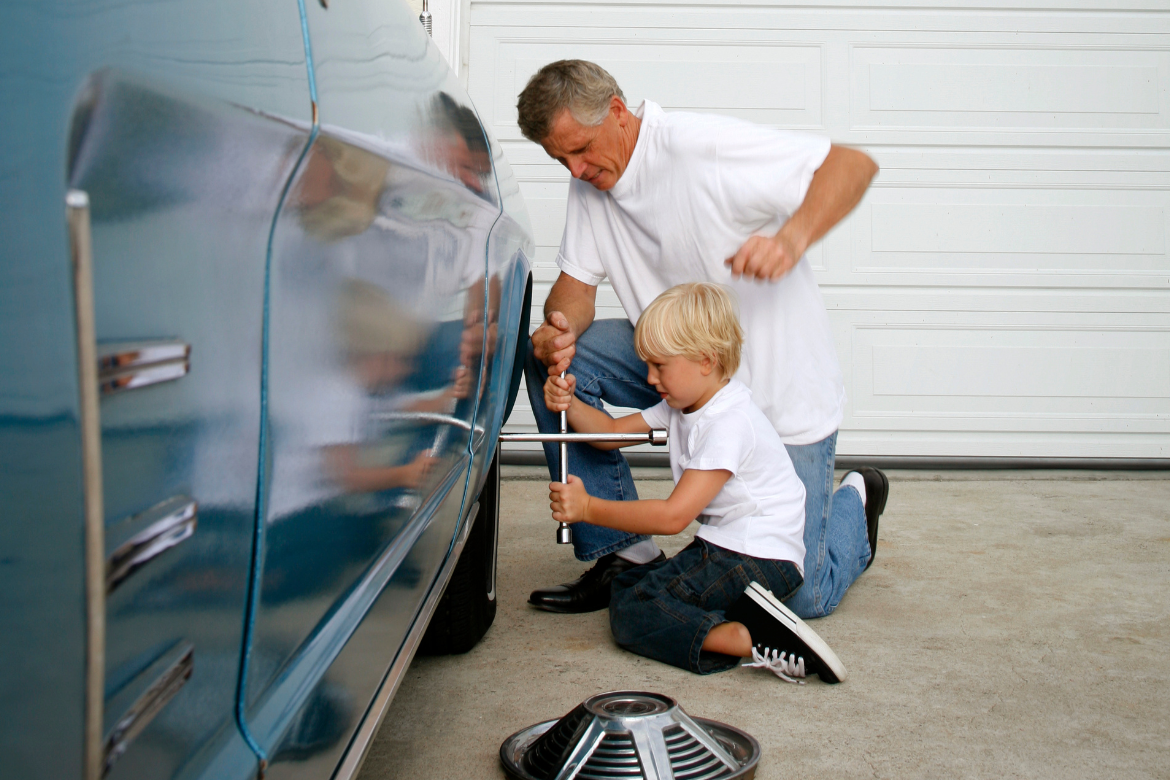
    As a dad, you’ve probably been the go-to person for all things mechanical, whether it’s fixing a squeaky toy or assembling the latest flat-pack furniture. But when it comes to car maintenance, it’s not just about convenience—it’s essential for safety, saving money, and avoiding those dreaded breakdowns, especially when you’ve got a car full of kids. In Australia, regular car maintenance is more important than ever, with over 19 million registered motor vehicles across the country, according to the Australian Bureau of Statistics. With our vast landscapes and long drives often being part of family life, keeping your car in good shape is a must. So, let’s dive into some car maintenance tips every Aussie dad should know to keep your family on the road safely and smoothly.

    The Importance of Car Maintenance for Aussie Dads

    Australia’s wide-open roads can take a toll on your vehicle, especially if you’re juggling school runs, weekend sports, and the occasional road trip. A 2019 survey by Canstar revealed that more than half of Australian drivers admit to skipping routine car maintenance, often leading to costly repairs down the track. For dads, the stakes are even higher, as a poorly maintained car can leave you stranded in the middle of nowhere—imagine that with kids in the back! Regular car maintenance not only keeps you safe but also helps extend the life of your vehicle, save money, and give you peace of mind knowing your family is riding in a reliable car.

    1. Check Your Oil Regularly

    Oil is the lifeblood of your engine. Without enough clean oil, your engine’s moving parts can’t stay lubricated, leading to wear and tear that could result in a breakdown or costly repairs. Checking your oil regularly is one of the simplest yet most important things you can do for your car.

    How to check your oil:

    • Park on a flat surface: Make sure your car is on level ground and the engine is cool.
    • Locate the dipstick: Pull it out, wipe it clean with a cloth, then reinsert it fully.
    • Check the level: Pull it out again and check where the oil sits in relation to the “low” and “full” marks. If it’s below the “low” mark, top it up with the correct oil for your car.

    Light-Hearted Tip:

    If your kids ask what you’re doing while checking the oil, you can tell them you’re giving the car a health check. “Just like a doctor, but for engines!”

    2. Keep Your Tyres in Check

    Your tyres are your car’s connection to the road, so keeping them in good condition is crucial. Proper tyre maintenance not only improves safety but also helps your car run more efficiently, saving you money on fuel.

    How to maintain your tyres:

    • Check the pressure: Under-inflated tyres wear out faster and increase fuel consumption. Check your tyre pressure once a month using a gauge, and inflate them according to the manufacturer’s recommendations (usually found in your car’s manual or on the door jamb).
    • Look for wear and tear: Inspect your tyres for signs of damage or uneven wear, which could indicate alignment issues. If the tread is worn down, it’s time to replace them—bald tyres won’t give you the grip you need, especially in wet weather.
    • Rotate your tyres: To ensure even wear, rotate your tyres every 10,000 kilometres. This helps them last longer and keeps your ride smoother.

    Light-Hearted Tip:

    Next time you’re at the petrol station, make a game of tyre checks with the kids. Let them “supervise” while you pump up the tyres, and maybe even give them a try at using the tyre gauge—under close watch, of course!

    3. Brakes: Don’t Ignore the Signs

    Your brakes are arguably the most important safety feature on your car, so keeping them in good condition is essential. Don’t wait until you hear that awful squealing noise to check them—by then, it could be too late.

    How to check your brakes:

    • Listen for unusual sounds: If you hear squealing, grinding, or clicking noises when you brake, it could mean your brake pads are worn down and need replacing.
    • Feel for changes: If your brake pedal feels spongy or if you notice your car pulling to one side when you brake, it’s time to get them checked by a professional.
    • Regular inspections: Have your brakes inspected at least once a year or during routine services.

    Light-Hearted Tip:

    If you hear squealing brakes while doing the school drop-off, don’t panic—it’s not your kids making the noise for once! Get them checked ASAP.

    4. Battery Basics: Keep It Charged

    There’s nothing worse than a flat battery when you’re about to head off on the weekend family adventure. Car batteries typically last 3-5 years, but extreme weather and regular short trips can reduce their lifespan. To avoid the inconvenience of a dead battery, it’s important to keep an eye on its condition.

    How to maintain your battery:

    • Look for signs of corrosion: Check the battery terminals for any buildup of white, powdery corrosion. If you spot it, you can clean it off with a mixture of baking soda and water, but be sure to wear gloves.
    • Test the charge: Many auto shops will test your battery for free, so if you notice your car struggling to start or dim headlights, it might be worth checking.
    • Drive regularly: If you’re only taking short trips, the alternator might not have enough time to fully recharge the battery. Consider taking your car for a longer drive every now and then to keep the battery healthy.

    Light-Hearted Tip:

    Explaining to your kids why the car won’t start? “The car’s battery is just like your tablet—it needs charging too!”

    5. Keep an Eye on Coolant and Fluids

    Your car relies on more than just oil to run smoothly. Coolant, brake fluid, and transmission fluid all play vital roles in keeping your engine running and your car safe.

    How to maintain your car’s fluids:

    • Coolant: Check your coolant level regularly, especially before long trips. It helps prevent the engine from overheating, which can be disastrous if ignored.
    • Brake fluid: Low brake fluid can affect your braking power, so it’s essential to top it up when needed. If you’re unsure, most service stations can help check your fluid levels.
    • Transmission fluid: This helps keep your car shifting smoothly. If it’s low or dirty, you might notice issues with gear changes. Have it checked during your car’s service.

    Light-Hearted Tip:

    Tell your kids that keeping the car’s fluids topped up is like making sure they’re hydrated—no one likes being thirsty!

    6. Wipers and Lights: See and Be Seen

    Clear vision is critical, especially during those rainy Aussie afternoons. Make sure your wiper blades are in good condition and that all your lights—headlights, brake lights, and indicators—are working properly.

    How to check wipers and lights:

    • Wiper blades: If your wipers leave streaks or make squeaky noises, it’s time for new ones. Changing them is quick and easy, and you can usually find replacement blades at your local auto shop.
    • Lights: Regularly check that all your lights are working by doing a quick walk-around. If you notice any bulbs out, replace them promptly to avoid getting pulled over or driving unsafely.

    Light-Hearted Tip:

    Let the kids play “cop” and check that your car’s lights are all working. It’s a fun way to get them involved and teach them about safety!

  • Healthy Eating for Busy Dads: Meal Prep and Nutrition Tips

    Healthy Eating for Busy Dads: Meal Prep and Nutrition Tips

    Healthy Eating for Busy Dads: Meal Prep and Nutrition Tips

    Life as a dad can be hectic. Between work, school pick-ups, footy practice, and family commitments, finding the time to eat well can sometimes feel like an impossible task. You might find yourself grabbing takeaway or living off instant noodles more often than you’d like to admit. But staying healthy is essential, not just for you, but for your kids too. Research shows that when dads eat well, their children are more likely to develop healthy eating habits themselves. A 2019 study from the Australian Institute of Health and Welfare found that around 35% of Aussie men were overweight, with poor nutrition being a significant contributing factor. So, how can busy dads fit healthy eating into their schedule without adding to the stress? It all comes down to smart planning and simple meal prep strategies.

    Why Healthy Eating Matters for Aussie Dads

    In Australia, more dads are realising the importance of leading by example when it comes to nutrition. According to the Australian Bureau of Statistics, less than 5% of Australians eat the recommended five servings of vegetables per day. That’s a worry, especially when you consider the long-term impact of poor eating habits on your health and energy levels. As a dad, you need to be on top of your game, both physically and mentally, and a balanced diet plays a crucial role in achieving that. Plus, your kids are watching. If they see you choosing healthy foods, they’re more likely to follow suit and develop their own healthy habits.

    Step 1: Meal Prep Like a Pro

    Meal prepping is a game-changer for busy dads. It helps you stay on track with healthy eating, saves time during the week, and reduces the temptation to grab unhealthy takeaway when you’re short on time. The trick is to keep it simple and prepare meals that are easy to cook in bulk.

    1. Set Aside a Prep Day

    Choose one day a week—usually Sunday—to do your meal prepping. This might take a couple of hours, but it’ll save you heaps of time during the week. You can cook several meals at once, portion them out, and store them in the fridge or freezer for easy access.

    2. Bulk Cook and Freeze

    Aussie classics like spaghetti bolognese, curry, and stir-fries are perfect for meal prep. Make a big batch and freeze individual portions for those busy mid-week nights. Grab-and-go options like these make it easier to avoid unhealthy last-minute choices.

    3. Use the Slow Cooker

    Slow cookers are every busy dad’s best mate. Throw in some meat, veggies, and spices in the morning, set it to low, and by the time you’re back from work, dinner’s done! Plus, the house will smell amazing, so you’ll be welcomed home by the delicious aroma of a ready-made meal.

    Light-Hearted Tip:

    If your kids ask what that strange smell is when they walk in the door, proudly announce that Dad’s been cooking up a storm! Who needs Uber Eats when you’ve got slow-cooked lamb shanks waiting?

    Step 2: Keep It Simple – Healthy Eating Doesn’t Have to Be Complicated

    Healthy eating often gets a bad rap because people think it means hours in the kitchen or eating boring, tasteless meals. But the truth is, you don’t have to be a MasterChef to whip up nutritious meals for the family. Focus on simple, whole foods that are easy to prepare and packed with nutrients.

    1. Lean Protein Is Your Friend

    Protein is essential for keeping you full and helping with muscle recovery—especially if you’ve been kicking the footy around with the kids. Choose lean sources like chicken breast, fish, eggs, or legumes. Toss them into salads, stir-fries, or wraps for an easy meal.

    2. Veggies at Every Meal

    Aussies often fall short of eating enough vegetables. Make it a goal to include veggies in every meal, even breakfast! Spinach in your omelette, avocado on toast, or tomatoes in your scrambled eggs can help you get those extra servings.

    3. Healthy Fats for Energy

    Healthy fats keep you energised throughout the day. Avocados, nuts, seeds, and olive oil are great options to include in your diet. They’re easy to add to salads, smoothies, or even as a snack on the go.

    4. Complex Carbs for Sustained Energy

    Instead of reaching for refined carbs like white bread and pasta, try complex carbs like brown rice, sweet potatoes, and whole grains. They give you lasting energy without the dreaded post-lunch slump.

    Light-Hearted Tip:

    If your kids ask why you’re adding spinach to your smoothie, tell them it’s your “secret superhero fuel.” They might just be tempted to give it a try themselves!

    Step 3: Snack Smart – Avoid the Afternoon Slump

    It’s easy to grab a chocolate bar or packet of chips when you’re feeling peckish in the afternoon, but healthy snacking doesn’t have to be boring. By planning your snacks ahead of time, you can keep your energy levels steady without reaching for the junk food.

    1. Prep Your Snacks

    Cut up veggies like carrots, cucumber, and celery and store them in containers for easy access. Pair them with hummus or a handful of nuts for a satisfying snack.

    2. Fruit on Hand

    Keep a bowl of fresh fruit on the counter or pack some in your work bag for an easy, portable snack. Apples, bananas, and berries are all quick and nutritious options.

    3. Protein-Rich Snacks

    Greek yoghurt, boiled eggs, and a small handful of mixed nuts are great protein-packed snacks that keep you fuller for longer and provide a steady energy boost.

    Light-Hearted Tip:

    When the afternoon munchies hit, try reaching for an apple instead of that third cup of coffee. Your future self will thank you!

    Step 4: Involve the Kids – Make It a Family Affair

    One of the best ways to ensure healthy eating becomes a long-term habit is to get the whole family involved. When kids see you prioritising good nutrition, they’re more likely to do the same. Plus, getting them involved in the kitchen can be a fun bonding experience.

    1. Cook Together

    Let your kids help out with age-appropriate tasks like stirring, chopping (with supervision), or setting the table. They’ll feel proud of their contributions, and they might even be more willing to try new foods if they helped prepare them.

    2. Make It Fun

    Turn healthy eating into a game. Challenge your kids to eat a “rainbow” of different coloured fruits and veggies throughout the day. Not only will they get more nutrients, but it’ll add some fun to mealtimes.

    3. Lead by Example

    Kids are more likely to eat what they see you eating. If they see you enjoying healthy foods like salads, fruit, and lean proteins, they’ll be more likely to give them a go too.

    Light-Hearted Tip:

    If your kids balk at the idea of vegetables, challenge them to a taste-test. “Who can eat the most broccoli without making a face?” It’s surprisingly effective!

  • The Power of Play: Fun Activities to Do with Your Kids at Any Age

    The Power of Play: Fun Activities to Do with Your Kids at Any Age

    The Power of Play: Fun Activities to Do with Your Kids at Any Age

    In today’s fast-paced world, finding time to bond with your kids can be a challenge. But one of the most effective ways to connect with them—regardless of their age—is through play. Play isn’t just about fun; it’s crucial for your child’s development. According to Play Australia, play helps children build cognitive, emotional, and social skills. For dads, it’s also a brilliant way to foster stronger relationships with your children. Whether it’s kicking the footy in the backyard or playing a simple board game, shared activities provide meaningful moments that strengthen the bond between you and your kids.

    In Australia, a 2020 study from the Australian Institute of Family Studies showed that 81% of dads believe playing with their children is an essential part of their role as a parent. However, many dads also report feeling unsure about what activities to engage in, especially as their kids grow older. Fear not—this guide is packed with simple, fun ideas to get you playing with your kids, no matter their age.

    The Importance of Play in Australia

    Australian kids today are growing up with increasing pressures from school and extracurricular activities, not to mention the lure of screens. As a result, traditional playtime is sometimes pushed to the side. This is where dads come in! Getting involved in playful activities not only supports your child’s overall development but also gives them the chance to de-stress, exercise, and build essential life skills. Plus, play is the perfect opportunity to spend quality time together.

    Activities for Kids Aged 0-5: The Early Years

    In the early years, play is about discovery and interaction. Babies and toddlers are learning about the world around them, and your involvement in their play helps them develop confidence and trust.

    1. Peek-a-Boo and Hide-and-Seek

    For babies and toddlers, simple games like peek-a-boo and hide-and-seek are perfect. These games teach cause and effect, help build trust, and are always good for a laugh.

    • How to play: Hide behind a blanket or around a corner, then pop out with a smile and a “boo!” For toddlers, hiding behind a tree or in different rooms adds to the excitement.

    2. Messy Play

    Babies and toddlers love exploring different textures. Set up a messy play area with items like water, sand, or play dough (or even a good old Aussie mud pit). This type of sensory play is fantastic for their cognitive and motor skills.

    • Bonus Tip: Be prepared for a mess, but remember—it’s all part of the fun! Set up an area outside, maybe with a small paddling pool, so the cleanup is easy.

    3. Nature Walks

    Even little ones can enjoy the great outdoors. Take your child for a nature walk around your local park or backyard. Point out different plants, animals, and sounds along the way. It’s never too early to get them interested in the beauty of Australia’s natural landscape.

    • Light-Hearted Tip: Turn it into a mini-adventure by creating a simple scavenger hunt for rocks, leaves, or birds. Even if they don’t quite get the concept, they’ll love the excitement!

    Activities for Kids Aged 6-12: The Primary Years

    As kids grow older, they start to enjoy more complex games and activities. These years are prime for physical play, games that encourage teamwork, and activities that build problem-solving skills.

    1. Backyard Sports

    Whether it’s backyard cricket, kicking the footy, or a game of soccer, physical activities are a great way to bond. Not only do they help your child stay active, but they also build teamwork, coordination, and resilience.

    • Aussie Classic: Teach your kids how to play backyard cricket—an essential Aussie skill. It’s a brilliant way to spend an afternoon, and even the family dog can get involved as the “fielder.”

    2. Board Games and Card Games

    Games like Uno, Monopoly, or Connect Four are perfect for kids in this age group. They teach problem-solving, patience, and the art of friendly competition. Bonus points if you get the whole family involved for a game night!

    • Light-Hearted Tip: If you find yourself losing more games than you win, don’t worry—it’s all about building your child’s confidence, right?

    3. DIY Projects

    Kids at this age love creating things with their hands. Try DIY projects like building a birdhouse, making slime, or putting together a simple model. These projects encourage creativity and give you time to work side by side.

    • Bonus: It’s a great way to sneak in some life lessons, like how to use tools safely or the satisfaction of completing a project.

    Activities for Teens: The Tricky Teen Years

    Teens can be a bit harder to engage in play, but it’s more important than ever to stay connected. The key is to find activities that align with their interests while giving you the chance to bond without making it feel forced.

    1. Outdoor Adventures

    For active teens, outdoor activities like hiking, surfing, or mountain biking are perfect. Australia is home to some of the world’s most stunning landscapes, and exploring them together is a great way to spend time while getting some fresh air and exercise.

    • Light-Hearted Tip: If your teen rolls their eyes at the idea of a bushwalk, turn it into an adventure by incorporating geocaching—an outdoor treasure-hunting game that adds a bit of tech to the mix.

    2. Video Games

    If your teen is into video games, try joining them for a session. While it might not be your first choice, playing their favourite game with them shows that you’re interested in their world and willing to connect on their terms.

    • Hint: You don’t have to be a gaming expert—just showing interest and learning a few moves will go a long way. Plus, it might give you some insight into their interests and how they think.

    3. Cooking Together

    Many teens enjoy cooking and experimenting in the kitchen. Pick a favourite meal or dessert and cook together. It’s a great opportunity to chat, teach them some life skills, and enjoy the delicious outcome.

    • Bonus Tip: If they’re not keen on cooking, get them involved in planning the meal or choosing the menu. You can always sneak in a cooking lesson disguised as making their favourite snack.

    Light-Hearted Advice for Dads

    Play isn’t just for your kids—it’s for you too. The beauty of play is that it brings out the inner child in all of us, whether you’re chasing your toddler around the park or building a DIY project with your pre-teen. Don’t worry about looking silly or “doing it wrong”—the most important thing is to be present, have fun, and enjoy the time together.

    • Get creative: Sometimes the best games are the ones you make up on the spot. Don’t be afraid to get imaginative with your kids—they’ll love it.
    • Let them take the lead: Often, your kids will come up with their own ideas for games. Let them take charge, and you might be surprised by how much fun it is.
  • Understanding Newborn Care: A Guide for New Dads

    Understanding Newborn Care: A Guide for New Dads

    Understanding Newborn Care: A Guide for New Dads

    Becoming a dad is a life-changing experience, and if you’re a new father, the early days of caring for a newborn can feel both exciting and overwhelming. From figuring out how to change nappies to calming a fussy baby, there’s a lot to learn. But don’t worry, mate—you’ve got this! In Australia, more dads than ever are stepping up as hands-on carers, with research from the Australian Institute of Family Studies showing that fathers now spend an average of six hours a day caring for their children during the early years. With the right information and a bit of patience, you’ll be handling newborn care like a pro in no time.

    Why Understanding Newborn Care Matters for Aussie Dads

    In Australia, parenting roles are changing, and dads are playing a bigger part in their children’s early development. Studies show that dads who are involved in newborn care help foster stronger emotional bonds with their babies, improve the mother’s mental health, and develop a more balanced family dynamic. But when it comes to newborns, many new fathers feel unsure about what to do. This is completely normal—after all, babies don’t come with an instruction manual! Understanding the basics of newborn care can help you feel more confident in your role and ensure that you’re providing the best support for both your baby and your partner.

    1. Master the Nappy Change

    Nappy changes are one of the most frequent—and sometimes messiest—tasks in newborn care. But once you get the hang of it, you’ll be whipping through them like a pro.

    • Prepare your station: Have everything you need on hand before you start—nappies, wipes, a changing mat, and a fresh set of clothes (trust me, you’ll need it).
    • Wipe front to back: For baby girls, always wipe from front to back to avoid infections. For baby boys, beware of unexpected sprays—placing a cloth over the area can save you from a surprise shower.
    • Change frequently: Newborns can go through 8-12 nappies a day, so be prepared for frequent changes. Wet nappies and soiled nappies should be changed promptly to avoid nappy rash.

    Light-Hearted Tip:

    Consider it a race against time: How quickly can you change a nappy without getting “ambushed” by a mid-change surprise? Make it fun and keep the wipes handy!

    2. Feeding: The Basics

    Newborns need to be fed frequently—every 2-3 hours, whether they’re breastfed or formula-fed. Understanding your baby’s feeding cues and routine is key to keeping them happy and healthy.

    • Breastfeeding: If your partner is breastfeeding, your role is still crucial. Offer support, bring her water or snacks, and help with positioning the baby. Be there to burp the baby afterwards and provide moral support during late-night feeds.
    • Bottle feeding: If your baby is bottle-fed, make sure to follow the correct formula measurements and sterilise the bottles. Take turns with your partner to share the feeding load.
    • Recognise hunger cues: Look for signs like lip-smacking, sucking on hands, or rooting (turning their head towards something to suck on). Crying is often a late hunger cue, so try to feed before they get too worked up.

    Light-Hearted Tip:

    During those 3 a.m. feeds, remember: you’re not alone. Dads all over Australia are up at the same time, half-awake, trying to avoid dropping the bottle. It’s like a secret dad club.

    3. Sleeping (Or the Lack Thereof)

    Newborns sleep a lot—about 16-18 hours a day—but in short bursts. As a new dad, adjusting to this erratic sleep schedule can be one of the toughest parts of the newborn phase.

    • Safe sleeping guidelines: Always place your baby on their back to sleep, on a firm, flat surface. Avoid pillows, blankets, or stuffed toys in the cot to reduce the risk of SIDS (Sudden Infant Death Syndrome).
    • Develop a bedtime routine: It’s never too early to start a bedtime routine. A warm bath, a story, or gentle rocking can help signal to your baby that it’s time to sleep.
    • Take shifts: If possible, take turns with your partner so that you both get some rest. This helps avoid burnout and ensures you’re both able to function during the day.

    Light-Hearted Tip:

    You’ll quickly learn that “sleeping like a baby” actually means waking up every two hours. Embrace power naps, and remember that coffee is your new best mate.

    4. Calming a Fussy Baby

    All babies cry—it’s how they communicate. But when your baby won’t stop crying, it can feel overwhelming. The key is to stay calm and try different techniques to soothe them.

    • Check the basics: First, check if they’re hungry, need a nappy change, or are too hot or cold. If none of those are the issue, they might just need some comfort.
    • Swaddling: Wrapping your baby snugly in a blanket can make them feel secure and calm. Just make sure the swaddle isn’t too tight and always leave space around the hips.
    • Rocking and shushing: Gentle rocking or holding your baby close while making a soft “shhh” sound can mimic the soothing environment of the womb.
    • Skin-to-skin contact: Holding your baby against your chest, skin-to-skin, is a great way to calm them down and strengthen your bond.

    Light-Hearted Tip:

    When in doubt, take a walk. Pop the baby in the pram and stroll around the block. It’s a win-win—you get fresh air, and the movement helps calm your baby. Plus, you’ll get bonus points for getting out of the house!

    5. Bonding with Your Baby

    Bonding with your newborn is an essential part of their development and your relationship. The good news is, you don’t need any special skills—just spending time with them, talking, holding, and playing helps build a strong connection.

    • Talk and sing to them: Newborns love the sound of your voice, so don’t be shy about talking, reading, or singing to them. They won’t care if you’re off-key!
    • Tummy time: Once your baby is a few weeks old, introduce short sessions of tummy time. This helps build their neck and shoulder muscles while giving you a chance to interact and cheer them on.
    • Wear your baby: Baby-wearing (using a sling or baby carrier) is a great way to bond while still keeping your hands free for other tasks. Plus, your baby will love being close to you.

    Light-Hearted Tip:

    Sing all the off-tune lullabies you want. Your baby won’t judge, and you’ll get a kick out of pretending to be the next John Farnham in your living room.

  • How to Be a Positive Role Model for Your Children

    How to Be a Positive Role Model for Your Children

    How to Be a Positive Role Model for Your Children

    Being a dad is one of the most important jobs you’ll ever have. As a father, your kids are watching and learning from you every day—whether you’re aware of it or not. Your actions, words, and attitude shape how they see the world and influence the type of person they’ll grow into. In Australia, the role of a father has evolved, and more dads are embracing the idea of being active, positive role models for their children. But what does that really mean, and how can you be the kind of dad your kids look up to?

    The Importance of Positive Role Models in Australia

    Australian society values mateship, fairness, and resilience—qualities that we want to pass on to our children. However, research shows that many Australian fathers worry about whether they are being good role models for their kids. According to the Fathering Project, fathers who actively participate in their children’s lives have a profound impact on their emotional and social development. Children who have positive male role models are more likely to develop healthy relationships, succeed academically, and cope with life’s challenges. As dads, our job is to lead by example and help our children grow into kind, respectful, and resilient adults.

    1. Be Present and Engaged

    It sounds simple, but being present is one of the most powerful ways to be a positive role model. In today’s busy world, it’s easy to get distracted by work, social media, or the footy game on TV. However, your kids need your attention and presence more than anything else.

    • Set aside quality time: Make time for your kids, whether it’s playing in the backyard, reading a bedtime story, or helping with homework. It’s not about quantity—it’s about making those moments count.
    • Put the phone away: When you’re spending time with your kids, give them your full attention. Put the phone down and be fully engaged in what they’re doing, even if it’s just listening to them talk about their day.
    • Show interest in their interests: Whether your child is into dinosaurs, Lego, or netball, take the time to engage in their world. Ask questions, participate, and share their excitement. It helps them feel valued and understood.

    Light-Hearted Tip:

    Even if you don’t know the difference between a T-Rex and a Stegosaurus, showing genuine interest in your kid’s “dinosaur lecture” will earn you serious dad points.

    2. Model Respect and Kindness

    One of the most important things you can teach your children is how to treat others with respect and kindness. Your kids will watch how you interact with people and will learn from your example.

    • Treat others with respect: From the barista at your local cafe to your partner, show your kids what it looks like to treat people with kindness and respect. It’s not just about what you say, but how you say it.
    • Apologise when necessary: We all make mistakes. When you do, own up to it and apologise. It teaches your kids that it’s okay to be wrong sometimes, as long as you make amends.
    • Encourage empathy: Show empathy in your interactions, and encourage your kids to think about how others feel. Ask questions like, “How do you think that made them feel?” to help them develop emotional intelligence.

    Light-Hearted Tip:

    If you accidentally trip over the dog, apologise like a gentleman in front of your kids—it’s a win for both empathy and animal rights.

    3. Demonstrate Healthy Coping Strategies

    Life can throw some tough situations your way, and how you handle them can have a big impact on your kids. Showing your children how to cope with stress, frustration, and failure in a healthy way is a key part of being a positive role model.

    • Stay calm under pressure: When things don’t go to plan, try to keep your cool. Whether it’s a stressful day at work or dealing with a tantrum, model calm and thoughtful responses.
    • Teach problem-solving: Encourage your kids to think through challenges and come up with solutions, rather than getting overwhelmed. It helps build resilience and self-confidence.
    • Take care of your mental health: Talk openly about mental health and show your kids that it’s important to take care of yourself. Whether it’s going for a walk, talking to a mate, or practicing mindfulness, let them see you taking proactive steps to manage stress.

    Light-Hearted Tip:

    Next time you’re stuck in traffic, instead of getting frustrated, turn it into a sing-along session with your kids. They’ll learn that even the worst situations can have a fun side.

    4. Teach the Value of Hard Work

    Kids are natural imitators, and they’ll pick up on how you approach work and responsibilities. Whether it’s your job, household chores, or personal goals, showing your kids that hard work pays off is an essential life lesson.

    • Involve them in tasks: Encourage your kids to help with age-appropriate chores around the house. It shows them the importance of contributing and working together as a family.
    • Talk about your work: Share your experiences at work—both the good and the challenging. Let your kids know that effort and persistence are important, and that sometimes hard work doesn’t always lead to immediate rewards, but it’s worth it.
    • Celebrate effort, not just results: When your kids try their best, even if they don’t win or succeed, celebrate their effort. It teaches them that doing their best is what really matters.

    Light-Hearted Tip:

    When you’re fixing something around the house, invite your kids to be your “assistant.” Just be prepared for them to declare themselves the new foreman after five minutes!

    5. Prioritise Health and Wellbeing

    Your kids will learn how to care for their health and wellbeing by watching you. From eating habits to exercise and sleep, showing that you value a healthy lifestyle will help your children adopt the same mindset.

    • Be active together: You don’t have to be a fitness fanatic, but staying active with your kids is a great way to set a positive example. Whether it’s kicking the footy at the park or going for a bike ride, make movement a part of your routine.
    • Eat well: Kids are more likely to eat healthily if they see you doing it. Enjoy balanced meals as a family and talk about the benefits of healthy food.
    • Get enough rest: Prioritising sleep and showing your kids that rest is important can help them establish good habits. No one’s a superhero on five hours of sleep!

    Light-Hearted Tip:

    Turn “screen time” into “active time” by challenging your kids to a dance-off to their favourite song. Just be prepared to lose—it’s all about enthusiasm, not skill!